










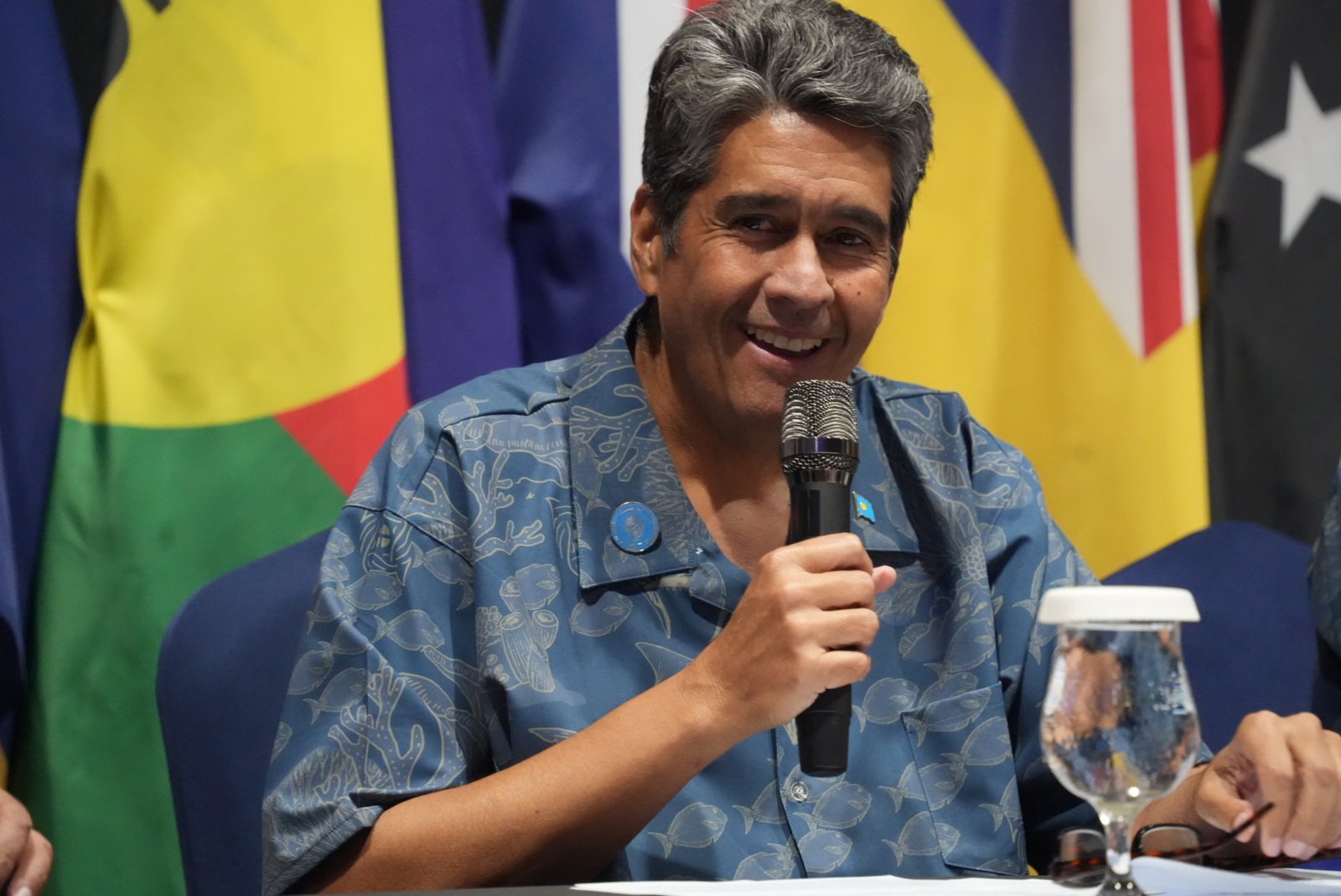
Pacific Islands Forum Chair says renewable energy transition is underway
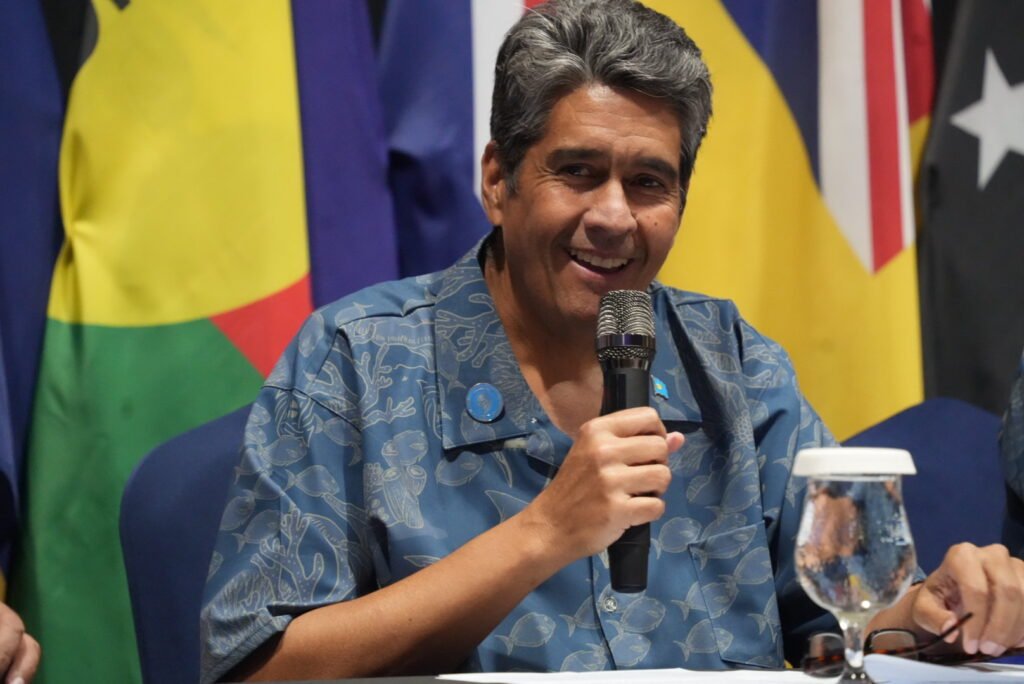
Pacific Islands Forum Chair and Palau President Surangel S. Whipps Jr. says the global transition towards renewable energy is already underway, driven by advances in technology and changing economic conditions.
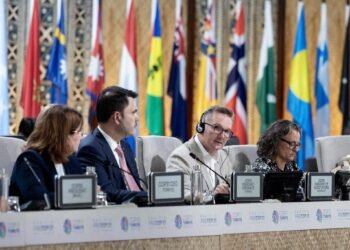
Speaking from Abu Dhabi last week, President Whipps said Pacific countries must maintain a strong presence at international climate negotiations to ensure the region’s priorities are heard and translated into practical outcomes.
“This is why it’s important that we support the multilateral system. It’s important that we do all we can to engage our partners, and we’ve got to make sure that we’re in attendance,” he said.
Asked how the Pacific could keep its priorities central to negotiations when major powers have different economic and political interests, President Whipps said the Pacific Pre-COP provided an opportunity to raise regional concerns ahead of the main United Nations Climate Change Conference, COP31, in Türkiye.
“Now it’s our job to go to Türkiye and continue to put those at the forefront to ensure that we have deliverable outcomes,” he said.
He said Pacific communities wanted practical action, particularly on climate finance, ocean protection and renewable energy.
“At the end of the day, the people want to see action, and that’s why the Pacific Resilience Facility (PRF) is an important part of that,” he said.
On how the region could maintain pressure if major emitters failed to meet Pacific expectations, President Whipps pointed to the growing economic case for renewable energy.
He said renewable energy was becoming increasingly competitive with fossil fuels, offering potential benefits for the environment, communities and household costs.
“The reality is today, the cost of fossil fuels is more than renewables,” he said.
He cited Palau as an example, saying fuel companies had informed the country that oil shipments reached their highest level in 2023.
President Whipps said advances in technology and changing economic conditions would continue to drive the shift towards renewable energy.
“The good news is technology and economics are going to drive the change,” he said.
“So the reality is, whether they like it or not, it’s happening.”
He also said countries that produce fossil fuels had a role to play in supporting the transition by investing in alternative energy sources.
“But to do that, you need to invest in renewables. So they go hand in hand,” he said.
He noted that some Gulf countries, despite being major oil producers, were also investing in renewable energy.
The Pacific Islands Forum is seeking to strengthen engagement with Gulf partners to attract investment in renewable energy projects, looking beyond traditional grant funding.
President Whipps said the Forum had presented an investment prospectus to potential partners, including the United Arab Emirates, to explore opportunities for renewable energy investment.
The UAE established a US$50 million UAE-Pacific Partnership Fund in 2013, which supported renewable energy projects in six Pacific countries: Tonga, Fiji, Kiribati, Samoa, Tuvalu and Vanuatu.
President Whipps said the energy transition must also extend beyond electricity generation to sectors such as steel production and transport, which continue to rely heavily on fossil fuels.
He also referred to a global target announced by the COP31 Presidency to increase the share of final energy demand met by electricity to 35 per cent by 2035.
His comments come as countries face growing pressure to turn climate commitments into measurable action.
A report by the European Environment Agency found that European Union greenhouse gas emissions fell by 1.6 per cent in 2025. However, the report warned that the bloc was not on track to meet its longer-term climate targets.
Even if all planned policies are implemented, the EU is projected to reduce net emissions by 54 per cent from 1990 levels by 2030, short of its legally binding target of 55 per cent.
At COP31, outgoing United Nations Secretary-General António Guterres has also urged countries to move beyond discussions and accelerate the transition away from fossil fuels.
“Fossil fuels must go the way of the dinosaurs,” he told world leaders.
Guterres called on countries to focus on organising, financing and delivering the transition, while urging current and future COP presidencies to advance the work.
Australia’s Prime Minister Anthony Albanese, meanwhile, said his country was working with Türkiye to deliver practical outcomes at the conference, including investment in clean energy, faster electrification, ocean protection and climate finance.
He also highlighted Australia’s renewable energy progress and its commitment to supporting Pacific countries.
Meanwhile, the COP31 Presidency is calling for a major increase in global electrification, with a target to raise electricity’s share of global energy consumption from 23 percent to 35 percent by 2035.
For the Pacific, President Whipps said the priority remains securing stronger climate action and practical outcomes that address the region’s needs.