










Audit finds poor budget and procurement controls over $222.4m in 2023 Pacific Games spending, raising integrity concerns.
Budget control over 16 procurement samples totalling $222.40 million was assessed as poor, according to the Special Audit Report on the 2023 Pacific Games procurement activities.
The approved budgets were not provided for five samples totalling $127.96 million, representing 57.5 percent of the total sample value.
According to the report, without approved budgets and clear cost estimates, the National Hosting Authority could not demonstrate that spending was planned, affordable, justified or represented value for money.
The report also noted that this could create conditions where inflated prices, excessive variations, unnecessary spending or preferential treatment may not be detected.
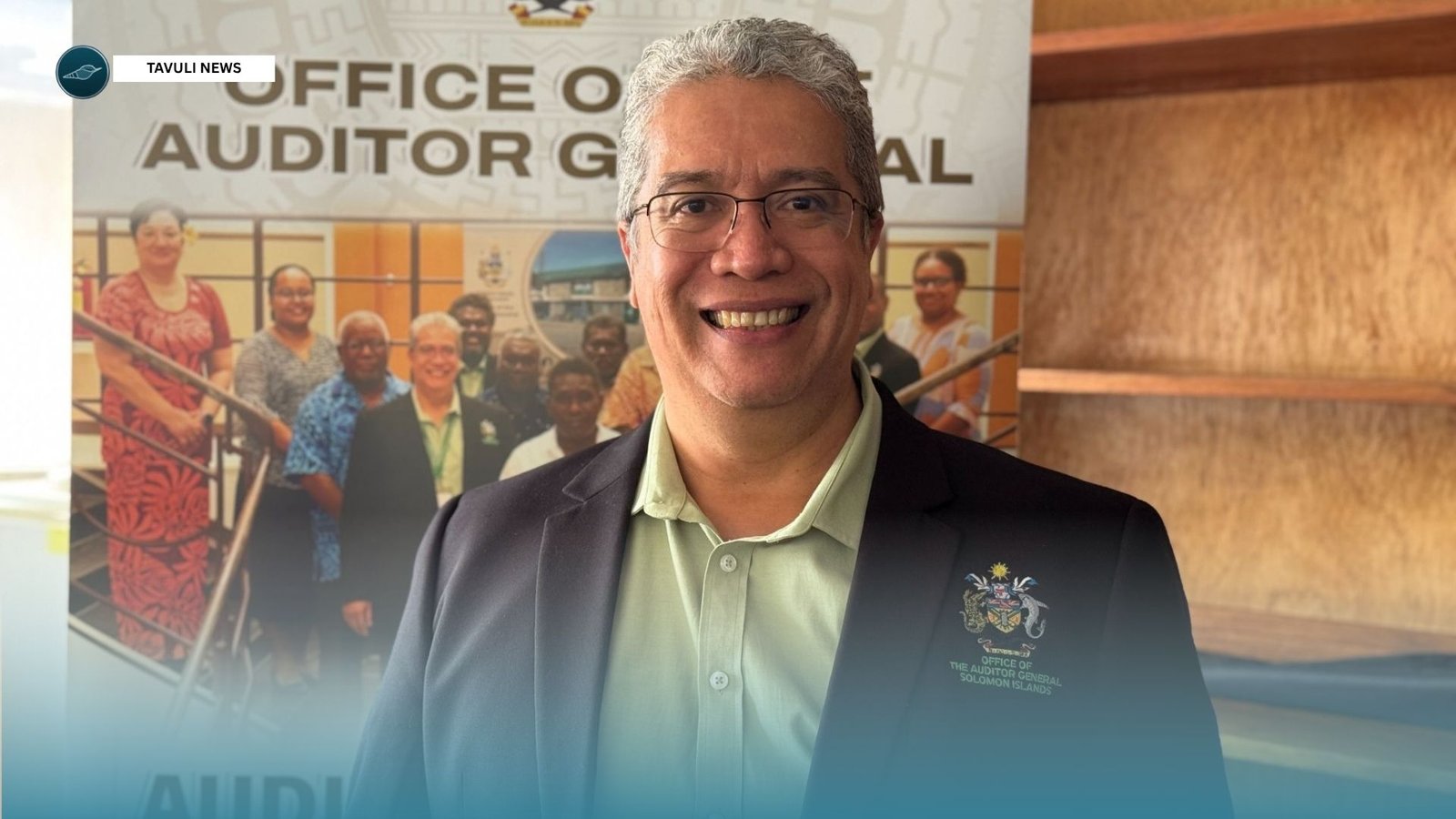
Speaking at a media press conference, Auditor General David Teika Dennis described the finding as serious.
“We found that the authority did not comply with key requirements of the Public Financial Management Act in both its expenditure and procurement practices,” he said.
The court hearing also confirmed that “it is clear that the authority did not have the legal authority needed to incur expenditure from the special fund.”
Of the 16 samples examined, five included the design and construction of the Solomon Islands Football Academy, valued at $84.29 million, and the purchase of property for the Sports Legacy Haus construction, valued at $34 million.
The report also pointed out that where budgets were provided, some were insufficient to support proper cost control.
One example cited was the supply and delivery of toilet paper, where the initial contract amount of $6.18 million was linked to an overall budget of only $300,000. The contract was later reduced to $1.89 million, which the report said was still above the budget.
“There were quite a number of key findings that include weak controls exposing public money to integrity risks. Competition between contractors was bypassed without sound justification.
“Evaluation decisions did not align to prescribed processes. There was poor records management and audit support, lack of expenditure authority, and the list goes on,” Auditor General David Teika Dennis said.
The report concludes that weaknesses in financial and procurement controls exposed public funds to integrity risks.