









MID upgrades Solomon Islands’ transport asset management system to improve climate resilience and infrastructure maintenance planning.
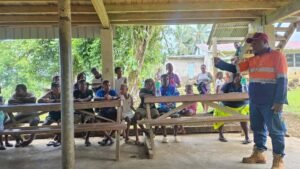
Solomon Islands is strengthening how the country plans, maintains and manages its transport infrastructure to address climate-related risks. Through the World Bank-financed Second Solomon Islands Roads and Aviation Project (SIRAP2), the Ministry of Infrastructure Development (MID) is advancing the Climate-Resilient Road Asset Management Improvement initiative. making progress on an initiative to improve.
Implemented by Finnish Overseas Consultants (FinnOC), the initiative is modernising the Solomon Islands Transport Asset Management System (SITAMS). The upgraded The upgraded system will improve how information on roads, bridges, culverts and wharves is collected, managed and used. By integrating climate vulnerability data into the upgraded system, MID will be better equipped to identify infrastructure at risk, prioritise urgent maintenance and direct limited resources towards investments that deliver long-term benefits.
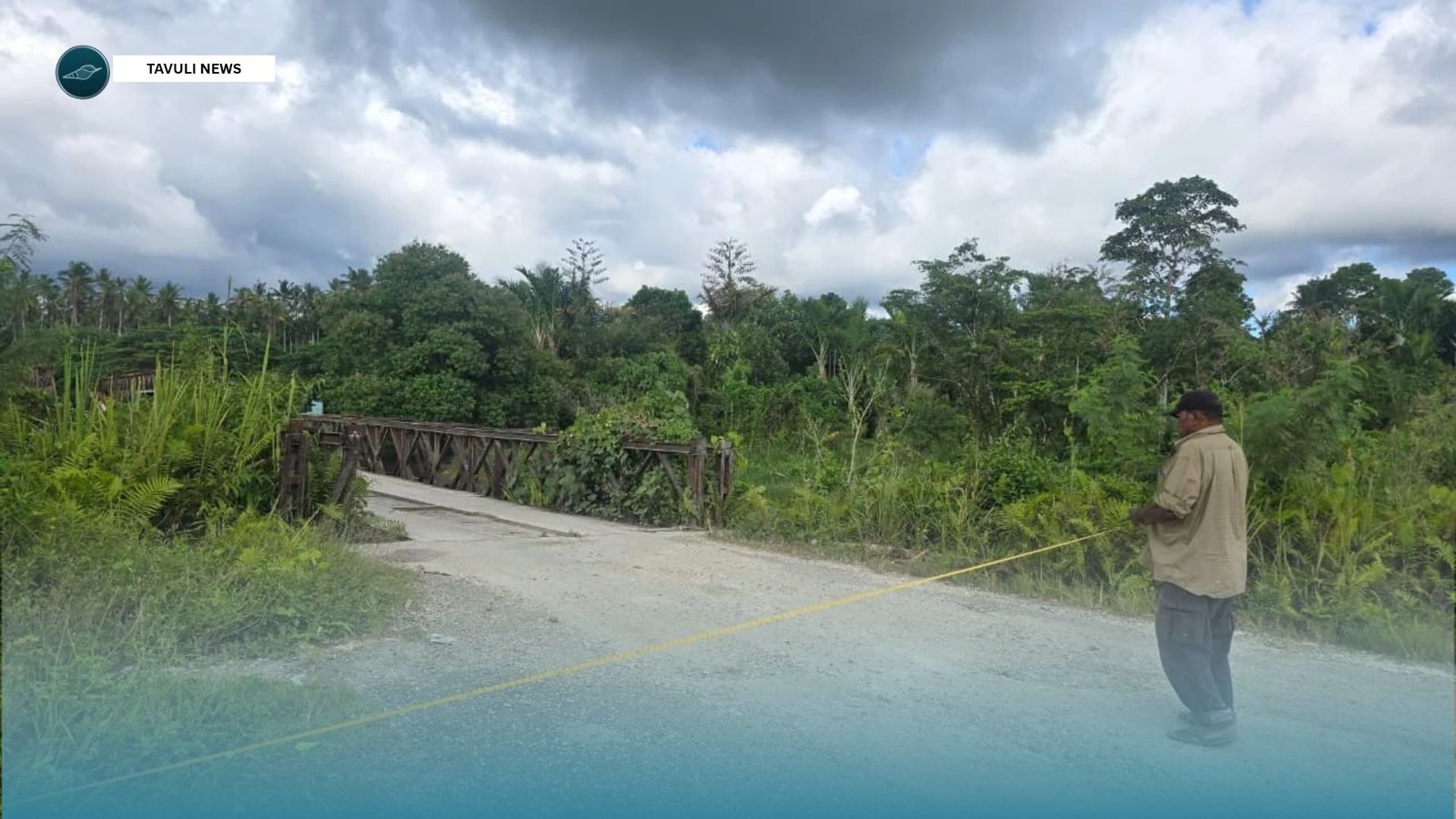
Significant progress has already been achieved, including the procurement, testing and calibration of survey equipment; development of survey forms and digital templates; and pilot surveys using Global Navigation Satellite System (GNSS) equipment, road roughness measurement tools and 360-degree video technology. Pilot surveys of bridges, culverts and wharves have also been undertaken, with other activities continuing to advance.
MID Permanent Secretary Mike Qaqara said, “Having accurate and reliable information on our roads, bridges, culverts and wharves is essential for effective infrastructure planning. This initiative will strengthen our ability to identify priority maintenance needs, understand climate-related risks and direct limited resources towards investments that deliver long-term benefits to our people.”
He added that incorporating climate vulnerability information into the asset management system would help MID move towards a more proactive approach to infrastructure planning and maintenance, rather than responding only after infrastructure problems arise. This approach will support safety, resilience and lifespan of public infrastructure as climate change increase.
This initiative complements SIRAP2’s broader investments in improving transport connectivity and infrastructure resilience across the Solomon Islands. These includes the upgrade of Suavanao Airfields, investments in air navigation systems in Makira-Ulawa and Temotu Provinces, construction of the new Air Traffic Control Towers in Honiara and Munda, ongoing maintenance of regional airports, rehabilitation of 21 kilometres of the East Road between Baratolo and Atori and sealing of 12 kilometres of the North Road between Auki Gwaunaru’u Airfield Junction and Kwaisuliniu Road Junction.
SOURCE// MID PRESS RELEASE