































































SINU Vice Chancellor urges responsible AI use and greater participation by women in science, technology and technical fields.
By Steven Kamoa
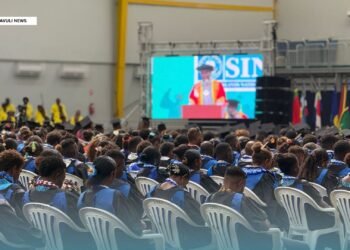
Solomon Islands National University Vice Chancellor Dr Transform Aqorau has called for responsible use of artificial intelligence and technology, while highlighting the need for greater participation by women in science, technology and technical fields.
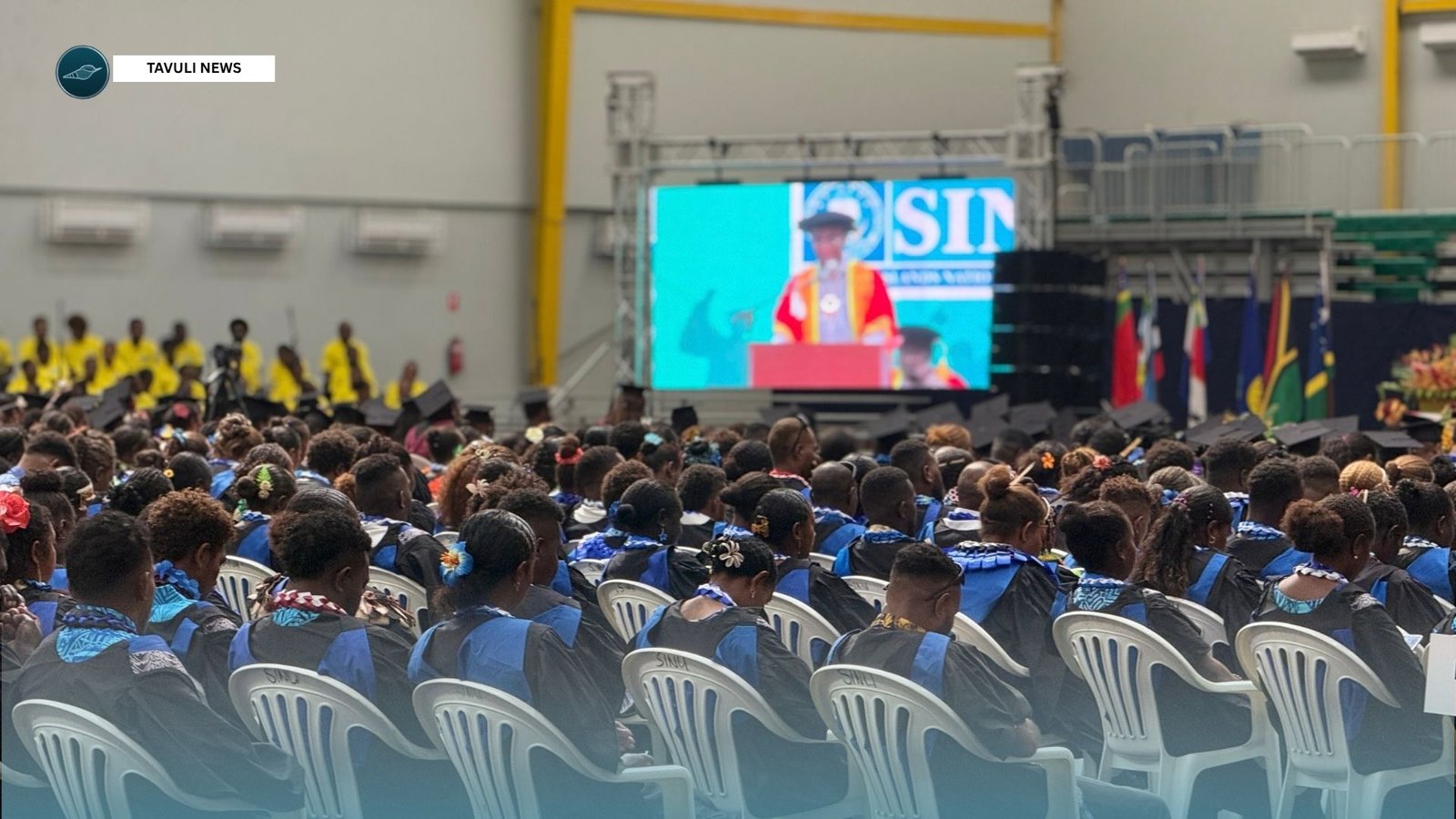
Speaking at SINU’s graduation ceremony today, Dr Aqorau said artificial intelligence could create opportunities in areas including education, health, agriculture and business, but users should understand its limitations and consider its relevance to Solomon Islands.
“We should neither fear technology nor surrender our judgement to it. Learn to use these tools. Understand their limits. Protect privacy and trust,” Dr Aqorau said.
He said the value of technological innovation should be considered in terms of its practical benefits to people, rather than its level of sophistication.
Dr Aqorau also pointed to gender differences in the latest graduation figures.
Of the 48 graduates from the Faculty of Science and Technology, eight are women and 40 are men. All 24 graduates from TVET are men.
He said the university should encourage more women to pursue science, technology and trades, while also supporting greater participation by men in fields such as teaching and nursing.
The Vice Chancellor also highlighted the role of traditional and community knowledge alongside formal education, research, data and technology.
“A useful innovation in Solomon Islands may be a sophisticated model. It may also be a simple, reliable system that works on a modest phone, in more than one language, with intermittent power. The measure is whether it improves people’s lives,” he said.
Dr Aqorau said SINU had a role in supporting national development through research, provincial engagement, flexible learning, TVET programmes and skills development.
He said expanding opportunities beyond Honiara would be important as the university responds to changing workforce needs.
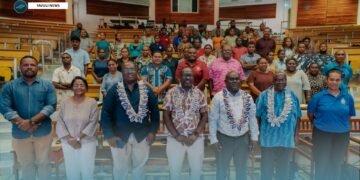
The second SINU graduating cohort for 2026 included 742 students, comprising 471 women and 271 men. Graduates completed studies across areas including education, business, health, agriculture, fisheries, forestry, science, technology and vocational training.
Dr Aqorau encouraged the graduates to apply their knowledge in their workplaces and communities and to remain engaged with the communities they come from as they enter the workforce.