


















































APFCN brings experts together in Cairns to tackle illegal logging, forestry crime and financial crimes in PNG and Solomon Islands.
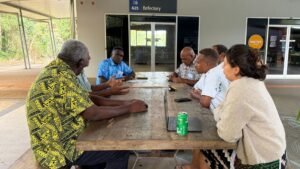



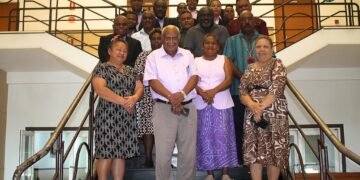
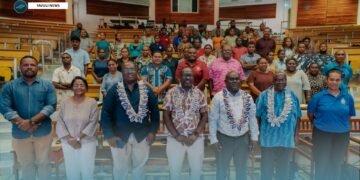
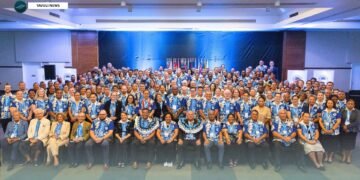
The third meeting of the Asia Pacific Forestry Crime Network (APFCN) convened on 24-25 September 2026 at James Cook University, Cairns, to work collectively to tackle the drivers of forestry crime including illegal logging in Papua New Guinea (PNG) and Solomon Islands (SI). The meeting was held in collaboration with the Cairns Institute, whose focus is research in tropical societies.
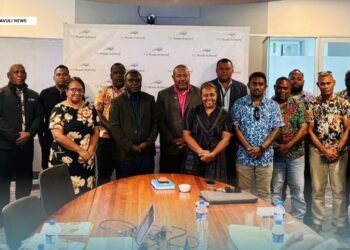
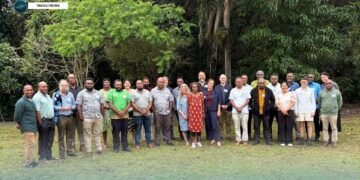
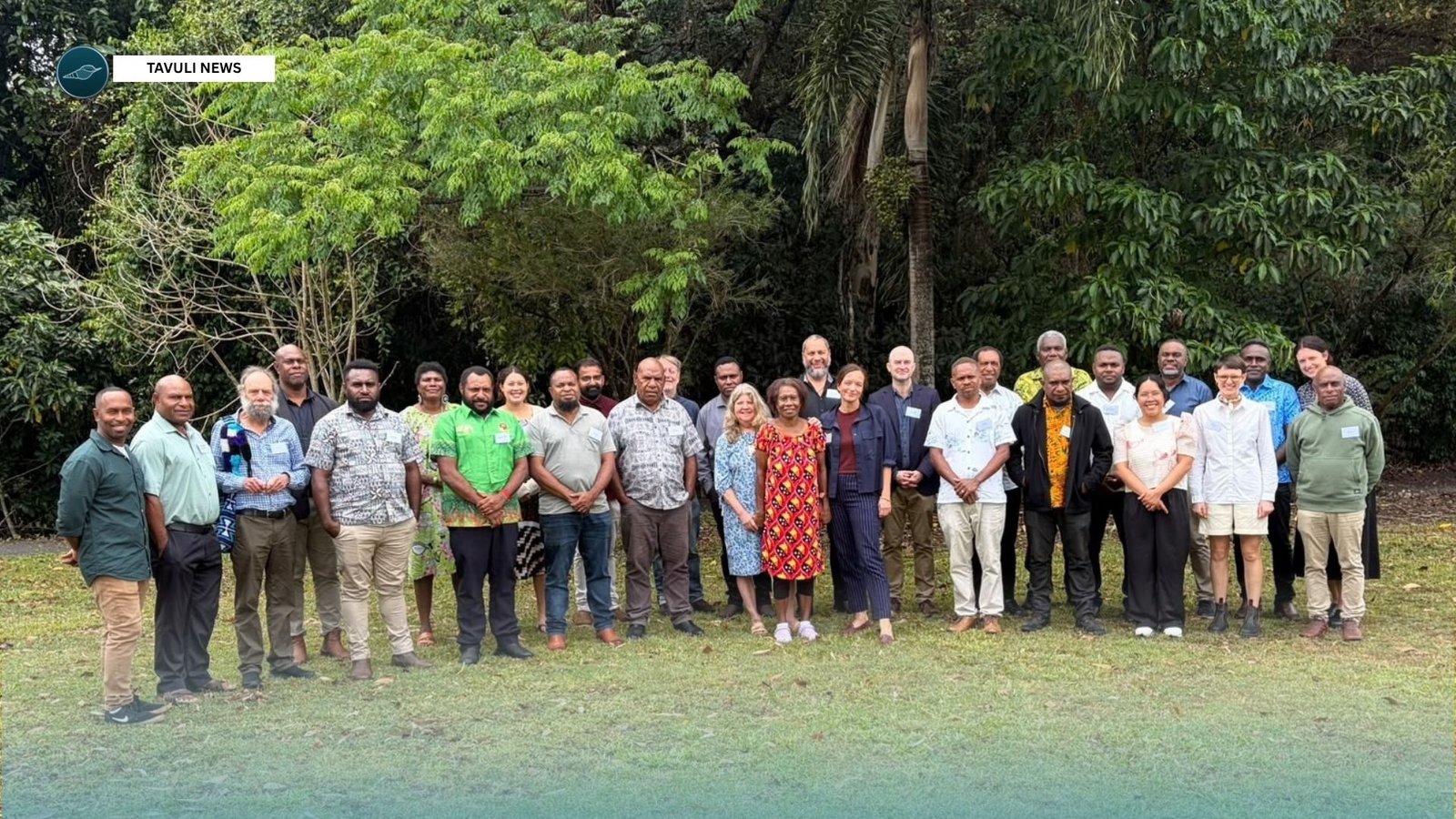
This year’s APFCN brought together 35 participants from academia, civil society, regulators, and law enforcement agencies working to address illegal logging and related financial crimes in the region. The focus of the meeting was on turning regional learnings into collective action, targeting illegal logging and related crimes.
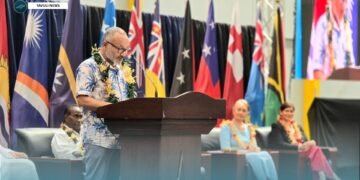
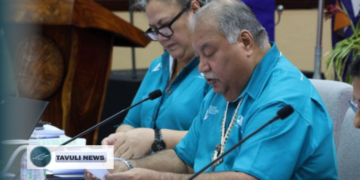
The Honourable Gary Juffa, MP, Governor of Oro Province in PNG and Chairman of the Special Parliamentary Committee on Public Sector Reform and Service Delivery addressed the network on the gaps in PNG’s monitoring and regulation of its forestry sector (as highlighted in the committee’s 2026 report), calling on experts in the room to be part of a panel for the Committee he chairs.
“I want to talk about the biggest gap of all: for more than thirty months, PNG has not been able to see its own log exports,” he said. “My committee has done its work. Parliament has the report. What happens next depends on whether the people who understand this sector best are prepared to stand up and be counted. I hope, when we sit in November, that some of you will be sitting with us.”
APFCN was established in 2024 to advance knowledge of the transnational dynamics and drivers of forestry crime and build cross-sector relationships, capacity, and initiatives.
“The recently concluded APFCN organised by Jubilee Australia has provided a vital platform for addressing the complex, transnational networks driving illegal logging, financial crime, and environmental degradation across Melanesia,” says Bradley Likaveke Dalipanda from Pacific Sustain Law in Solomon Islands, and member of APFCN.
“Investing in local legal practitioners and policy researchers ensures that cutting-edge regional strategies are brought directly back home to shape the legal tools used to defend our ecosystems and communities. From this legal vantage point, aligning our ongoing domestic legislative reforms with regional enforcement networks is paramount to safeguarding the resource sovereignty of the Solomon Islands.”
Other sessions at this year’s APFCN explored financial investigations, transparency and data gaps, investigative research and community stories.
“Last year’s APFCN came together to understand the issues at play and the challenges facing both countries. This year we moved forward into action, with knowledge-holders from PNG, SI, and Australia committing to share knowledge, strengthen advocacy and map concrete steps to reduce forest crime,” says Mahealani Delaney, Director of the Tropical Forest Program at Jubilee Australia Research Centre.
SOURCE// APFCN PRESS RELEASE