

































































Honiara nurses strengthen NCD care through early screening, careful follow-up and quality improvement to protect patients.
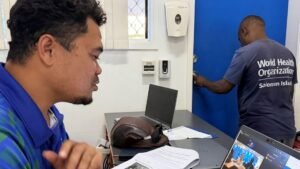
A woman visited Mataniko Area Health Center seeking to be checked for malaria. She had no idea she was also living with diabetes and hypertension.
Because the clinic had strengthened its approach to quality improvement, her visit became more than a test for fever. Routine checks helped identify serious conditions early, allowing health workers to begin appropriate care before complications developed.
The experience shows why the 2026 World Patient Safety Day theme — safe care for noncommunicable diseases (NCDs) — matters beyond one patient, one health worker or one clinic.
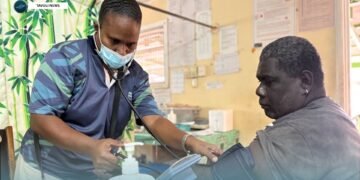
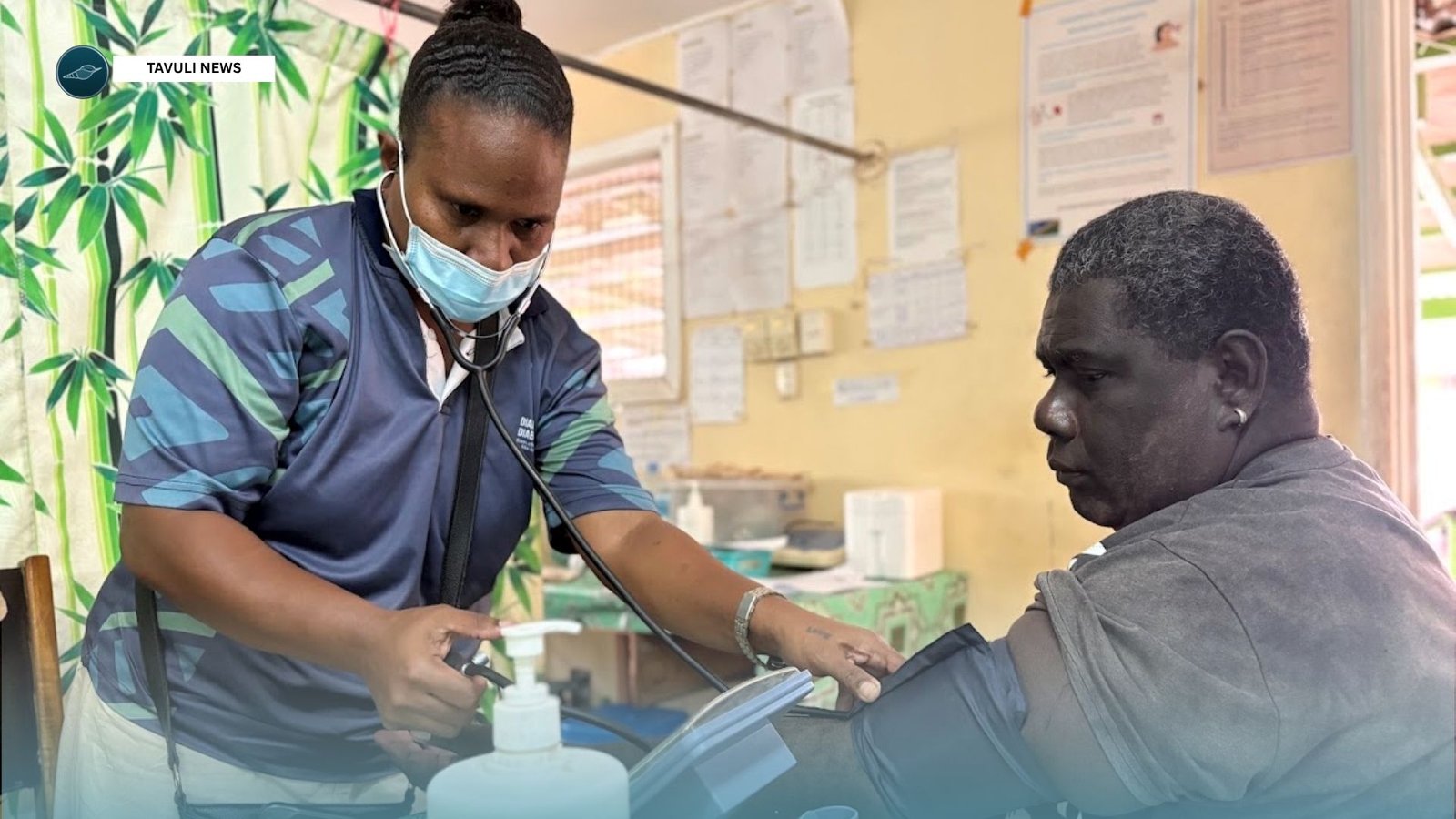
For nurse Barbara Quiroquiro, patient safety begins with the routine actions that can easily go unnoticed: taking vital signs from a patient who has come for another complaint, asking the right questions, listening carefully and identifying concerns before they become complications.
She has seen how ordinary consultations can become opportunities to protect patients from harm.
“For me, safe quality care means putting the patient first, preventing errors, communicating clearly and providing care based on evidence and clinical standards,” Barbara says.
Looking Beyond the Obvious
During the woman’s visit to Mataniko Area Health Center, Barbara checked her vital signs and blood glucose and reviewed her medication history and symptoms.
The screening revealed newly diagnosed diabetes and hypertension, allowing the patient to be correctly classified and started on appropriate medication at an early stage.
“I followed the appropriate clinical procedures, informed the medical officer, and arranged timely management and follow-up,” Barbara recalls.
For Barbara, the experience demonstrated why systematic screening and careful assessment matter.
“Careful assessment, accurate documentation, good communication, and following safety procedures can help identify problems early and prevent complications,” she says.
Instead of focusing only on a patient’s immediate complaint, health workers are being encouraged to use every consultation as an opportunity to identify health risks and provide safer care.
Making Every Consultation Safer
Barbara begins her consultations by welcoming patients, confirming their identity and creating an environment where they feel comfortable.
She takes a proper medical history, assesses vital signs and existing conditions, identifies health needs, and reviews medicines and potential risk factors.
She then explains diagnoses, treatment, medicines and lifestyle changes in simple language so patients understand what they need to do after leaving the clinic.
Follow-up is another important part of her work.
Barbara checks for warning signs and complications, refers patients when they need care beyond the clinic’s capacity, and makes sure they understand when to return or seek urgent medical attention.
“Safe care means providing the right care, at the right time, while preventing harm,” she says. “It also means respecting each patient, listening to their concerns and working with them to manage their condition safely.”
Quality Improvement Across Honiara Clinics
Barbara’s experience is part of a wider quality-improvement effort being implemented across health facilities in Honiara.
The approach was introduced at Mataniko Area Health Center in April 2025 through quality improvement initiatives led by the Ministry of Health and Medical Services, with support from the New Zealand Ministry of Foreign Affairs and Trade, the Institute of Philanthropy and the World Health Organization.
The quality-improvement model has since been introduced across all eight Honiara City Council (HCC) clinics. Implementation is also underway in six clinics in Guadalcanal and seven facilities across Malaita’s four regions.
Under the leadership of HCC Health Director Dr Lawrence Diau, health workers are using everyday consultations as opportunities to strengthen patient safety and prevent avoidable harm.
“Patient safety is not optional; it is the foundation of quality health care,” Dr Diau says.
“Every missed sign, every unclear instruction, and every gap in follow-up can have real consequences for patients and families. That is why I am proud of our HCC health workers, who are turning every consultation into an opportunity to prevent harm, protect dignity, and save lives.”
Small Changes, Practical Results
Nurses Mevilyn Manetei of Mbokonavera Rural Health Center and Jay Rangitamaforau of Mbokona Rural Health Center have also seen changes in the way NCD patients are assessed, documented, followed up and supported.
Mevilyn says quality improvement has helped more patients understand their conditions and take greater responsibility for their health.
She has seen patients attend reviews, request medicine refills before their supplies run out and build stronger relationships with health workers.
Monthly records have also shown an increase in outpatient cases returning for routine check-ups.
“My goal always is to provide quality care and services that will meet patients’ expectations,” Mevilyn says.
Jay says the changes are also visible in clinic operations.
Quality improvement has helped the clinic organize patient flow more efficiently, strengthen documentation and improve follow-up monitoring, particularly for patients requiring regular reviews and medication replenishment.
For Jay, patient safety is a shared responsibility involving patients, families and health workers.
Screening Numbers Show Increase
The changes are also reflected in NCD screening figures.
Between August and October 2025, NCD screening increased across all three facilities compared with the same period in 2024.
At Mataniko, the number of people screened increased from 19 in 2024 to 215 in 2025.
At Mbokonavera, screening increased from 14 to 359, while Mbokona recorded an increase from 47 to 191.
The figures point to a shift toward identifying NCD risks earlier and keeping patients connected to routine care, rather than waiting for complications to develop.
Patient Safety Despite Everyday Challenges
Providing safe care is not always easy.
Health workers can face staff shortages, heavy workloads, limited resources and communication gaps. Patients may also experience difficulties understanding or following treatment plans.
Barbara responds through health education, counselling and regular monitoring, working with patients to find practical ways to manage their conditions.
“I remain calm, work as part of the team, and always put patient safety first,” she says.
Mevilyn recalls a diabetic patient who visited the facility with a small blister on her toe.
Concerned about the risk of complications, Mevilyn explained in simple terms what could happen if the blister was left untreated and encouraged the patient to accept an early referral to the next level of care.
Months later, the patient returned to the facility to continue daily care, with severe complications prevented.
“Both of us were very happy with the outcome,” Mevilyn recalls.
Jay remembers another patient with diabetes who missed a scheduled follow-up after three months.
He called to remind her to return for a check-up and replenish her medication.
The patient thanked him for following up and said it was the first time a health worker had contacted her in that way. She promised to return the next morning — and did so.
For Jay, the experience showed how something as simple as a phone call can help keep patients connected to care.
Safe Care Is Everyone’s Responsibility
Across the clinics, the message is consistent: safe care is a shared responsibility.
Barbara encourages patients and families to ask questions, follow treatment plans, attend regular check-ups and speak up when something does not feel right.
Mevilyn’s experience shows how understanding a condition can help patients take greater responsibility for their health, while Jay’s follow-up call demonstrates how health workers can help patients remain connected to care when everyday challenges interrupt their treatment.
Listening, checking, communicating, documenting and following up may seem like small actions.
But together, they can help identify NCD risks earlier, prevent avoidable harm, strengthen continuity of care and keep patients at the centre of safe, quality health services.
SOURCE// WHO PRESS RELEASE