


























































Solomon Islands strengthens health product regulation with WHO support to ensure safer, effective and quality-assured products.
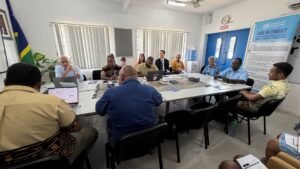




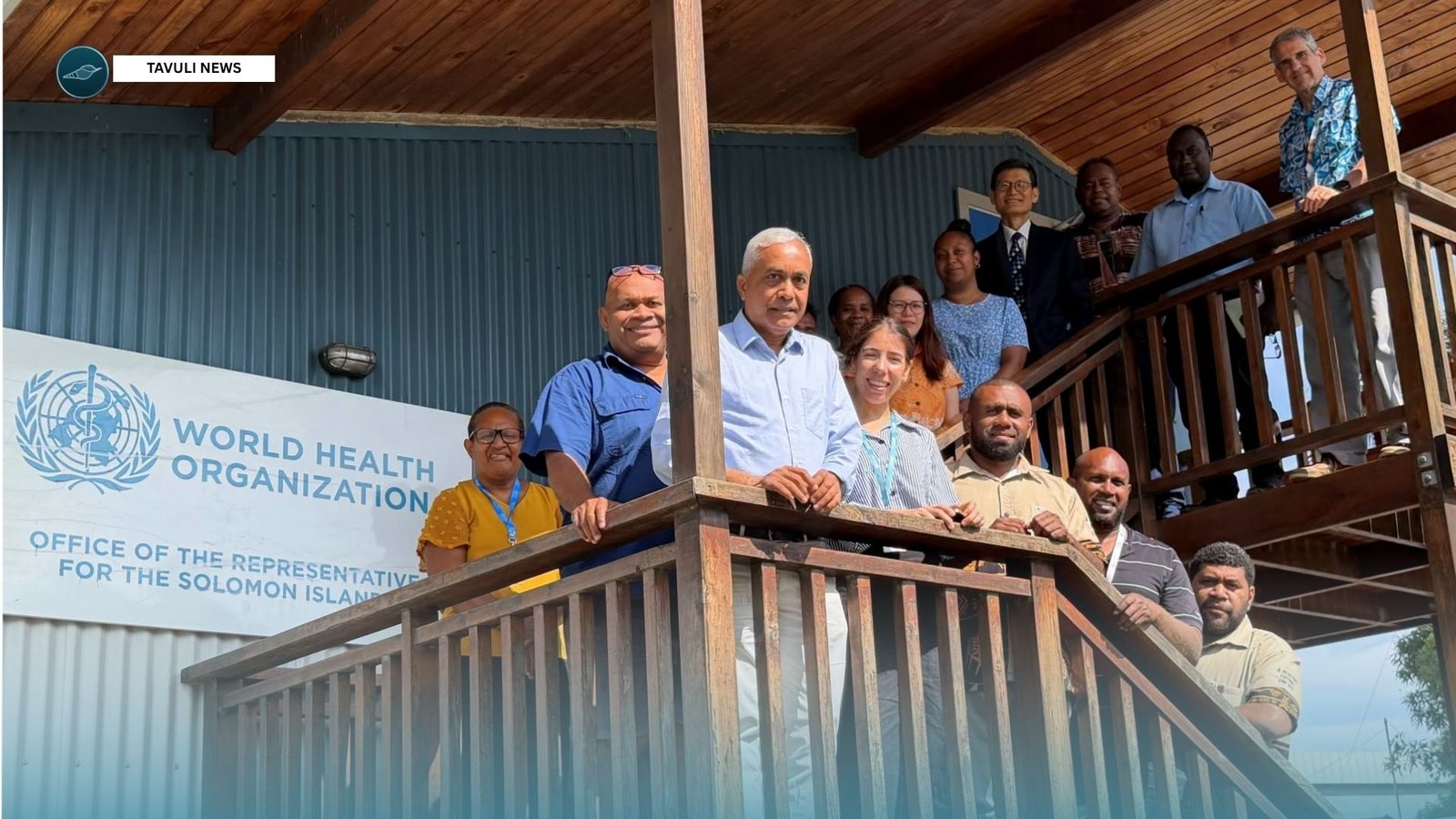
HONIARA, Solomon Islands, 18 August 2026 – The Ministry of Health and Medical Services (MHMS), with support from the World Health Organization (WHO), is strengthening the country’s regulatory system for medicines, vaccines and medical devices to help ensure that health products reaching communities are safe, effective and of assured quality.
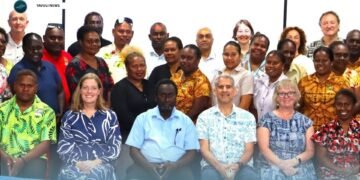
A three-day national self-assessment workshop in Honiara used WHO’s Global Benchmarking Tool (GBT) to assess the strengths and gaps of Solomon Islands’ medicines regulatory system and identify practical priorities for improvement.
The assessment comes at an important time as Solomon Islands looks to update its regulatory framework, including legislation covering medicines and health products.
“As our health system continues to evolve and new technologies emerge, robust regulatory oversight becomes even more important in ensuring that our people have access to safe, quality-assured, and effective medical products,” said Dr Gregory Jilini, acting Permanent Secretary of Health and Medical Services.
The assessment focuses on key regulatory functions, including regulatory systems, marketing authorization, licensing of establishments, inspections, market surveillance and vigilance.

Through the assessment, MHMS and WHO will identify what is already working well and where improvements are needed, including realistic measures that can strengthen regulatory oversight without imposing systems disproportionate to the country’s context.
Solomon Islands, like many Pacific island countries, relies heavily on imported medicines and other medical products. Its regulatory system operates within MHMS with a small number of personnel managing multiple responsibilities, ranging from regulation and the selection of medical products to procurement and supply chain functions.
The benchmarking exercise is therefore tailored to the country’s size, needs and operating environment.
“A strong National Regulatory Authority is fundamental to protecting public health. It enables countries to effectively detect, control and remove substandard and falsified medicines, vaccines and medical supplies from the market,” said Dr Howard Sobel, WHO Representative in Solomon Islands.
“This regulatory oversight is essential to ensuring that the health products available to our communities are safe, effective and of assured quality,” he said.
The work supports the Government for Reform, Empowerment, Accountability and Transformation (GREAT) Policy, including its commitment to strengthen governance and accountability in procurement and supply chain systems and improve the reliable and efficient availability of medicines and other health commodities.
The assessment is also expected to inform future work to strengthen and formalize Solomon Islands’ national regulatory arrangements, including clearer structures, functions, responsibilities and governance.
MHMS and WHO expect the process to produce a documented assessment of relevant regulatory functions, an agreed set of strengths, gaps and recommendations, and a prioritized list of actions that can form the basis of an institutional development plan.
“A strong regulatory system is the foundation of safe medicines. Through self-benchmarking of the national medicines regulatory system, Solomon Islands came forward with a robust plan to invest in a healthier future, and WHO is committed to supporting the country in ensuring access to safe, effective, and quality-assured medical products,” said Dr Jinho Shin, Medical Officer, WHO Regional Office for the Western Pacific.
The WHO Global Benchmarking Tool (GBT) is an internationally recognized tool for evaluating national regulatory systems for medical products. It provides a structured methodology for assessing regulatory functions, identifying areas for improvement and supporting countries to strengthen their regulatory capacity.
For Pacific island countries, the approach can be adapted through GBT-Lite to take account of smaller regulatory systems, limited human resources, import dependence and the need for proportionate, risk-based regulatory approaches.
The Solomon Islands assessment focuses particularly on regulatory systems, marketing authorization, licensing of establishments and regulatory inspection, market surveillance and vigilance.
SOURCE//: WHO SOLOMON ISLANDS PRESS RELEASE