

































































SIMA and the Productive Sector Team develop a 90-day plan to advance maritime reforms, shipping and the blue economy
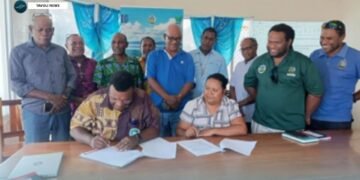
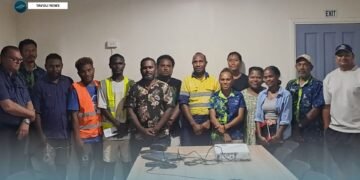
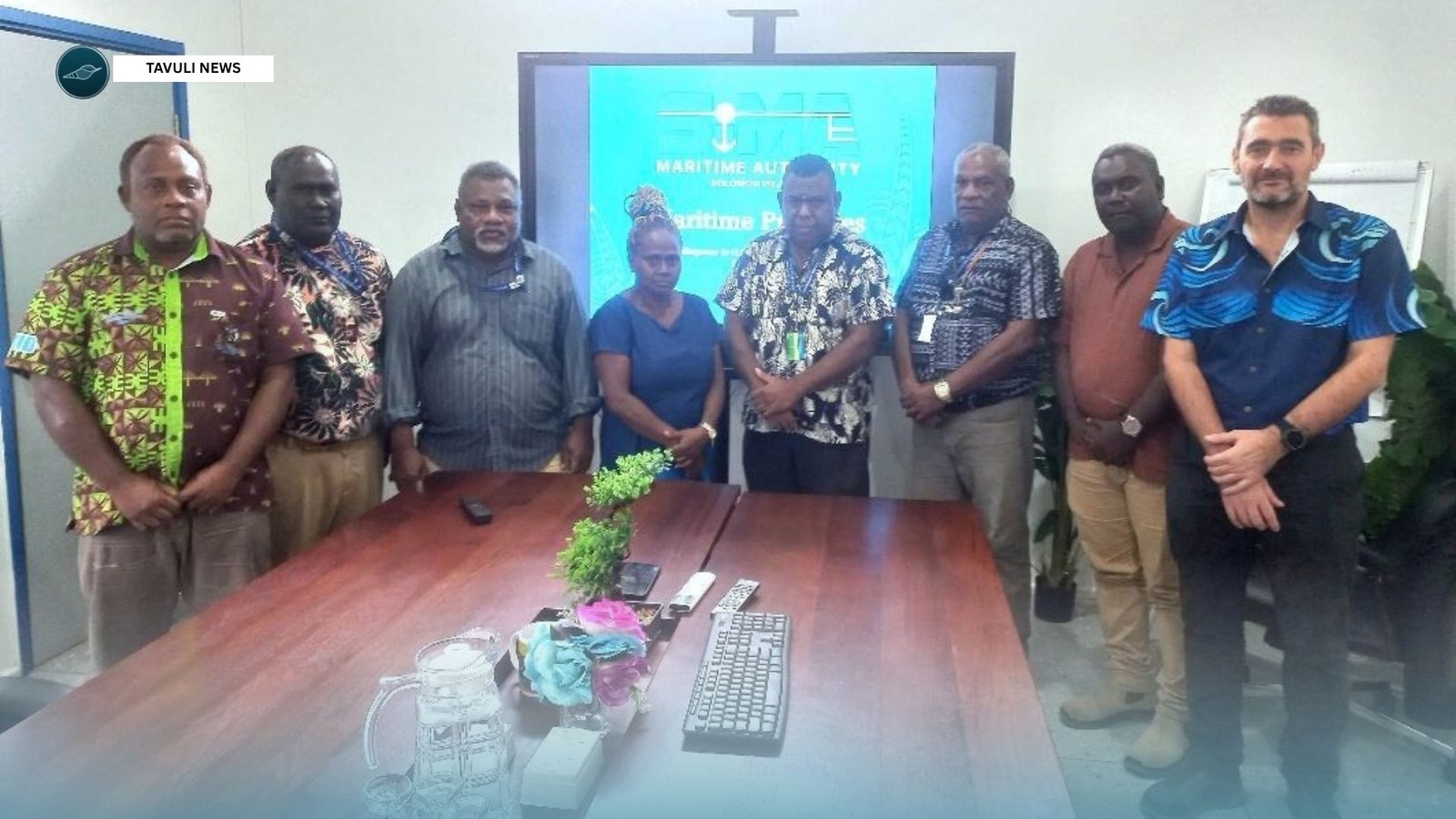
The Productive Sector Team led by the Policy Secretary Mr. Nixon Kua is working closely with the Solomon Islands Maritime Authority (SIMA) to develop a pragmatic and results-oriented 90-Day Work Plan that will deliver key maritime priorities under the GREAT Coalition Government’s policy agenda.
The engagement focused on assessing how SIMA’s strategic priorities align with the Government’s maritime, economic, and infrastructure development objectives and identifying practical actions that can be implemented within the first 90 days.
SIMA highlighted a range of priority areas, including people-centred maritime development, rural shipping connectivity, maritime workforce development, fleet renewal, maritime safety and security, digital transformation, indigenous maritime participation, infrastructure development, and the establishment of a Solomon Islands International Shipping Registry (SI-ISR).
A key area of discussion was the Government’s commitment to establishing the SI-ISR as part of its broader vision to position Solomon Islands as a competitive maritime nation and strengthen the country’s blue economy. SIMA Director Thierry Nievelle acknowledged that a well-regulated international shipping registry has the potential to generate new government revenue, attract investment, create skilled employment opportunities, strengthen maritime governance, and diversify the economy through maritime services.
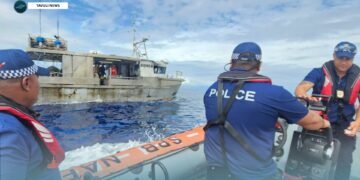
The discussions also highlighted the strategic significance of the recently signed Shiprider Agreement between the Solomon Islands Government and the United States Coast Guard. The agreement is expected to strengthen maritime surveillance, enforcement cooperation, and monitoring capabilities across Solomon Islands’ vast maritime domain.
The meeting noted that the Shiprider Agreement complements the proposed SI-ISR by reinforcing Solomon Islands’ credibility as a responsible maritime nation committed to international maritime standards, security, and compliance. Enhanced maritime enforcement, monitoring, and governance capabilities will support the integrity of the national flag and help ensure that any future international shipping registry is built on strong regulatory foundations rather than being perceived as a flag-of-convenience registry.
The Shiprider Agreement also provides opportunities for closer cooperation in maritime security, capacity building, information sharing, and enforcement activities, all of which contribute to a stronger maritime governance framework. Such capabilities will be critical as Solomon Islands seeks to expand its role in international shipping, maritime services, and the broader blue economy.
At the same time, SIMA emphasized that the success of the SI-ISR will depend on strong governance, effective oversight, and a robust legislative framework. One of the immediate priorities identified is the review and amendment of the Shipping Act 1998 and related maritime legislation to establish the legal and regulatory foundation required for an international shipping registry that meets global standards and protects the country’s reputation.
The meeting also reaffirmed the Government’s commitment to promoting indigenous participation in the maritime sector through support for local shipbuilding, maritime enterprises, workforce development, and improved shipping services for rural and underserved communities.
The Productive Sector Team and SIMA will continue to work together to finalise a practical 90-Day Work Plan with clear activities, responsibilities, timelines, and deliverables. The work plan will focus on advancing priority reforms and investments that strengthen maritime connectivity, improve economic opportunities, enhance maritime governance, and unlock the full potential of Solomon Islands’ vast ocean resources.
The collaboration demonstrates the GREAT Coalition’s determination to build a modern, secure, and competitive maritime sector that contributes to national economic growth, regional connectivity, and long-term blue economy development.
SOURCE:// GOVERNMENT COMMUNICATION UNIT