





South Choiseul MP Tozen Leokana warns Free Education could drive urban migration unless provincial schools are strengthened first
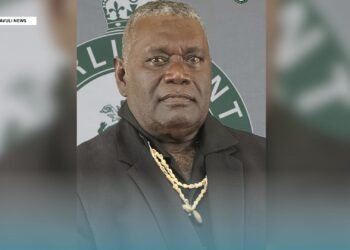
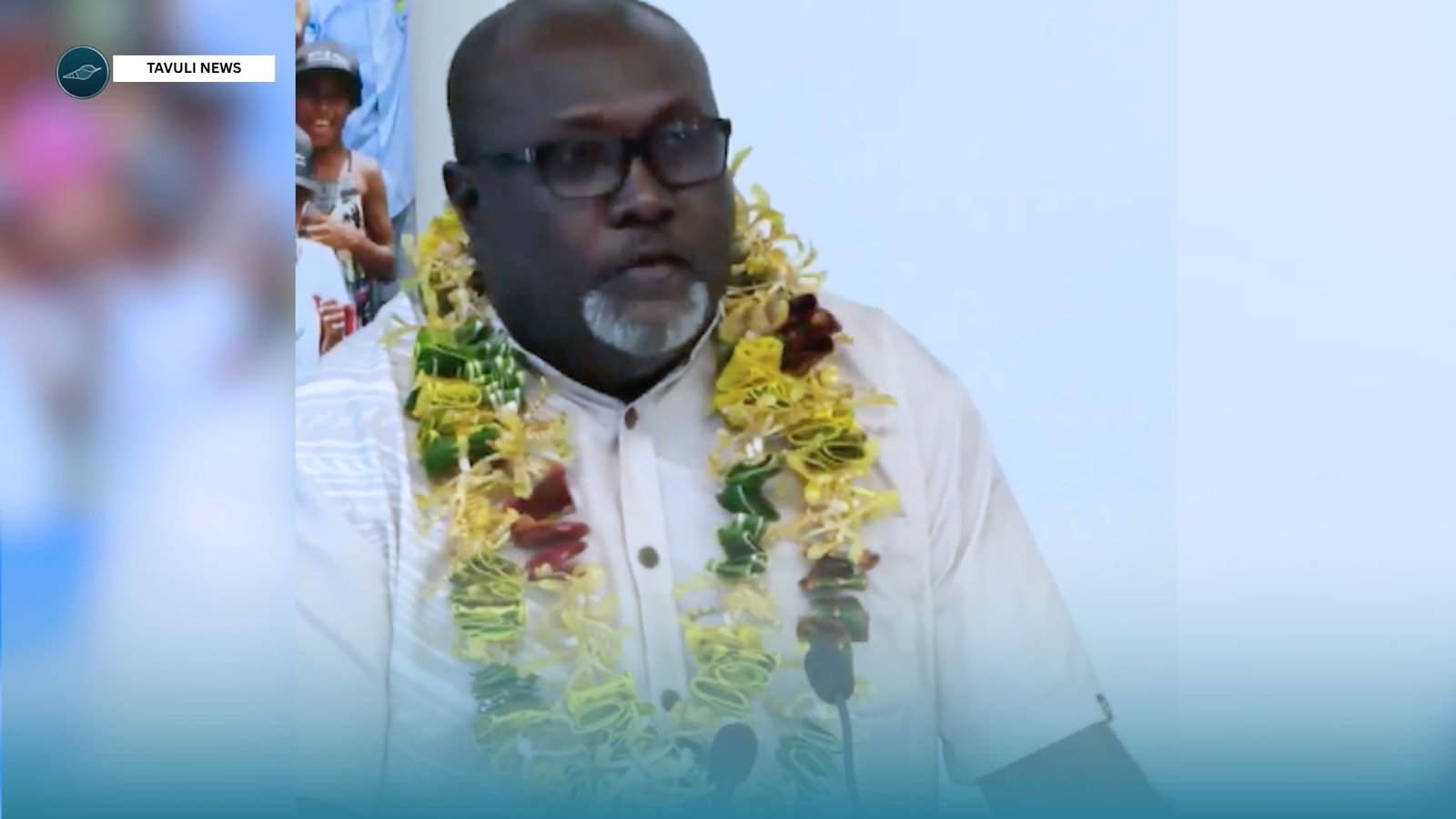
Honiara, Solomon Islands – South Choiseul MP Hon. Tozen Leokana has warned that the Government’s proposed Free Education Policy could unintentionally accelerate the movement of families from rural communities to Honiara and other urban centres if provincial schools are not strengthened before the policy is rolled out nationwide.
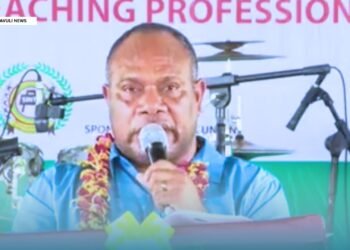
Speaking during debate on the Speech from the Throne, Hon. Leokana said Free Education must not simply remove school fees while leaving provincial communities without the classrooms, teachers, accommodation and basic services needed to provide quality education.
He said the policy could create a powerful incentive for families to move to areas where schools have greater capacity.
“If a family in a remote community knows that the local school has no classroom, no teacher house, no dormitory, no water system and no transport access, but a school in Honiara or another urban centre can accommodate their children, the rational response for that family is to move,” Hon. Leokana said.
He warned that such movement would have consequences beyond the education sector.
“If Free Education is to be delivered without accelerating the emptying-out of our provinces, then the first investment of the Free Education Policy must be in the provincial schools.”
Hon. Leokana said the Government must recognise that education policy is also provincial development policy.
“Schools are part of the reason families remain in their communities. When schools are weak, health services are weak, transport is weak and economic opportunities are limited, families naturally look towards the towns.”
He said a nationwide fee-free policy without adequate provincial capacity could therefore produce an unintended result: greater concentration of children in already overcrowded urban schools while rural and remote schools continue to struggle with basic infrastructure and staffing.
Hon. Leokana said the Government should establish a clear provincial sequencing plan before implementing the policy nationwide.
That plan should prioritise new classrooms, teacher houses, dormitories, water and sanitation facilities, learning materials and reliable transport access in provinces and outer islands.
“Provincial capacity must come first. If the provinces are not ready, the policy is not ready,” he said.
Hon. Leokana said the issue is particularly important for remote island communities where children may already face significant barriers to accessing secondary education.
He said Government must ensure that the benefits of Free Education are not concentrated in Honiara and provincial capitals while children in remote communities remain effectively excluded because the physical capacity to accommodate them does not exist.
“Free Education should mean that a child in Choiseul, Isabel, Temotu, Malaita, Guadalcanal or any of our remote islands has a genuine opportunity to access quality education in their own community.”
“It should not mean that the family must leave their community to find the school that can actually accommodate their child.”
Hon. Leokana said the Opposition supports investment in provincial schools as part of a broader strategy to strengthen communities and reduce the pressure that drives families towards urban centres.
“The Government must not look at Free Education only as the removal of a fee. It must look at where our children will go to school, who will teach them, where they will live, whether there is water and sanitation, and whether their communities have the capacity to keep them there.”
He said a successful Free Education Policy must therefore be accompanied by a deliberate investment programme for provincial and outer-island education infrastructure.
“The objective should be to bring quality education closer to our children, not to force our children to move closer to quality education.”
Hon. Leokana said the Opposition will continue to support measures that expand access to education while insisting that implementation strengthens, rather than weakens, provincial communities.
“Free Education should be an investment in our children and an investment in our provinces. If we get the sequencing wrong, we risk solving one problem while creating another.”
SOURCE//: OPPOSITION PRESS RELEASE