










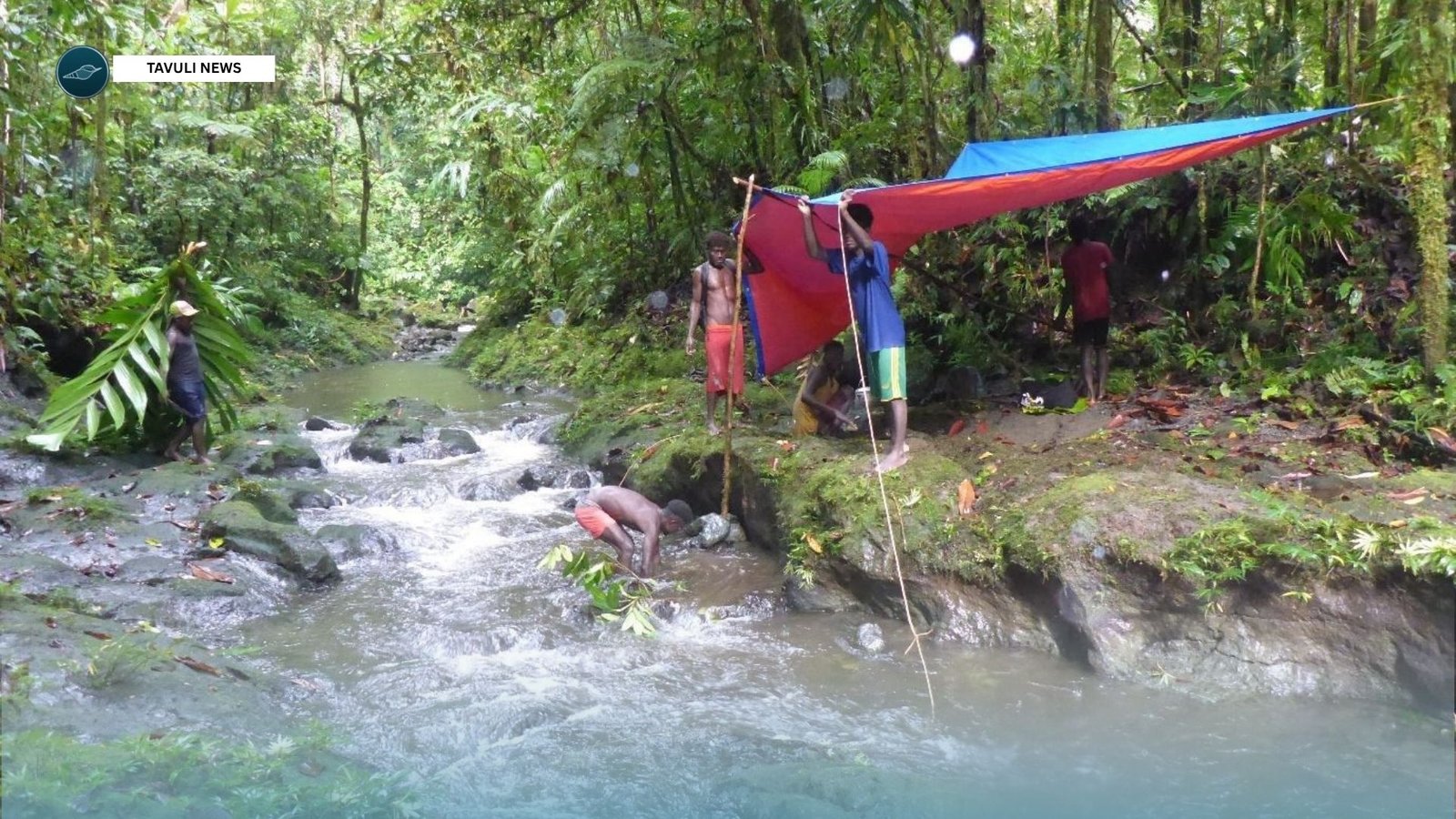
Babatana forest conservation helps protect water sources and support tribal communities in Choiseul during dry conditions.
By Cornelius Qaqara, South Choiseul Province
The Babatana Rainforest Conservation Project is located in Babatana Ward, South Choiseul, Choiseul Province, Solomon Islands. The project is an important example of how Indigenous tribal communities can protect their forests while supporting their social and economic development. For almost 20 years, tribal groups in Babatana have been working to conserve their forests, and several areas have now received legal protection under the Protected Areas Act 2010.
One of the main objectives of the conservation project is to protect water catchments and maintain the natural flow of streams and rivers through tribal lands. Forest conservation also allows tribal members to continue accessing natural resources that are important for their daily lives. These benefits are becoming increasingly important as communities experience the effects of El Niño and prolonged dry weather.
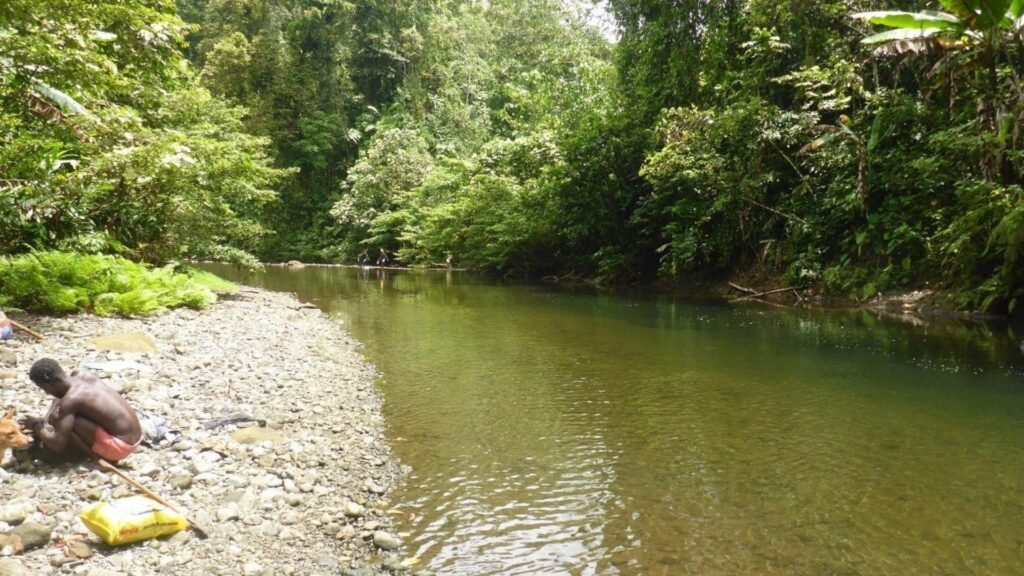
During the current drought period, forest rangers in Babatana have reported that many streams and rivers within the conservation areas are still flowing. Compared with some disturbed areas in Choiseul Province, the protected forests appear to maintain healthier water sources. These observations demonstrate the importance of conserving forests, especially during periods of low rainfall.
The Importance of Babatana Rainforest Conservation
The Babatana Rainforest Conservation Project was developed with support from the Natural Resources Development Foundation (NRDF) and the Nakau Programme. It supports tribal landowners in protecting their forests while creating alternative opportunities for community development.
According to the Nakau Programme, nine Babatana tribes have joined the project, bringing more than 7,426 hectares of rainforest under legal protection or conservation project development. The forests form part of the Mount Maetambe–Kolombangara River Corridor, which is recognised as an important area for biodiversity. The rainforest supports many native plants and animals, including birds, frogs, reptiles and mammals.
For the tribal communities, however, the importance of the forest goes beyond protecting wildlife. The forest provides clean water, food, traditional medicines, building materials and other resources. It also supports cultural practices and the connection between tribal people and their customary land.
By protecting their forests, tribal communities are investing in their future. Conservation helps maintain natural resources while providing opportunities for education, sanitation, livelihood activities and other community development needs.
How Forest Conservation Supports Water During Drought
Forests play an important role in maintaining the natural water cycle. Trees, plants, roots, soil and other forest materials work together to help rainfall enter the ground and move through the environment.
When rain falls in a healthy forest, leaves and vegetation reduce the force of raindrops hitting the ground. Tree roots create spaces in the soil, allowing water to enter more easily. Forest soils can store water and slowly release some of it into streams and rivers. This process can help maintain water flow even when rainfall becomes less frequent.
Forest vegetation also reduces soil erosion and helps protect water quality. Without forest cover, heavy rainfall can wash soil into rivers, while prolonged dry weather can leave exposed soils more vulnerable to damage.
During the El Niño period, rainfall may decrease, causing streams and rivers to become smaller or dry up. However, forests with healthy soils and vegetation may retain more water from previous rainfall and support a more stable flow.
This does not mean that protected forests can prevent drought or guarantee that rivers will never dry up. Nevertheless, maintaining healthy forests can improve the ability of water catchments to withstand periods of low rainfall.
Babatana Forests During the Current El Niño Period
El Niño is a natural climate pattern that can influence rainfall and water availability across the Pacific region. In Solomon Islands, developing El Niño conditions have raised concerns about below-average rainfall and possible water shortages. The National Disaster Management Office has activated drought preparedness measures in response to these risks.
In Choiseul Province, communities depend heavily on streams, rivers and other natural water sources for drinking, cooking, washing and gardening. When these water sources dry up, people may need to travel longer distances to collect water. This can create difficulties for families, particularly children, women and elderly people.
According to forest rangers interviewed in the Babatana area, many streams and rivers within the conservation areas are still flowing during the current dry period. They also reported that the forest ecosystems remain healthy compared with some disturbed areas.
These observations provide an important example of how community-led forest conservation may help protect water resources during drought. The continued flow of streams can support tribal members who depend on natural water sources for their daily activities.
Further monitoring of rainfall, river flow and water quality would help provide stronger evidence of how protected and disturbed forests respond differently during drought conditions.
Logging, Mining and the Need for Conservation
In Choiseul Province, logging and mining are among the economic activities that some tribal groups consider for community development. These activities may provide income and employment opportunities. However, when they are not properly managed, they can also create environmental problems.
Forest clearing can reduce vegetation cover, damage soils and increase surface runoff. Roads and logging tracks may disturb natural drainage systems, while mining activities can affect water quality through sediment and other pollution.
These impacts can become more serious during drought periods when communities have fewer alternative water sources.
The Babatana Rainforest Conservation Project provides an alternative approach by supporting tribal communities to protect their forests and benefit from conservation activities. Carbon credit income can help support education, water supplies, sanitation, housing and livelihood projects.
The Babatana Rainforest Conservation Project demonstrates that protecting forests is also a way of protecting water, community livelihoods and the future of tribal generations.
The continued flow of streams and rivers reported by Babatana forest rangers during the current El Niño period highlights the value of maintaining healthy forest ecosystems. Although conservation cannot completely prevent drought, it can help improve the ability of water catchments to retain and regulate water.
For tribal communities in Choiseul Province, forests are more than a source of income. They are a source of life, culture, identity and survival.
Therefore, protecting the Babatana rainforest is not only an environmental responsibility but also an important investment in community resilience. By conserving their forests today, tribal landowners are helping ensure that future generations will continue to access clean water and benefit from the natural resources of their ancestral lands.