











Solomon Islands and Fiji strengthen biosecurity cooperation to protect local honey production from harmful bee pests and diseases.
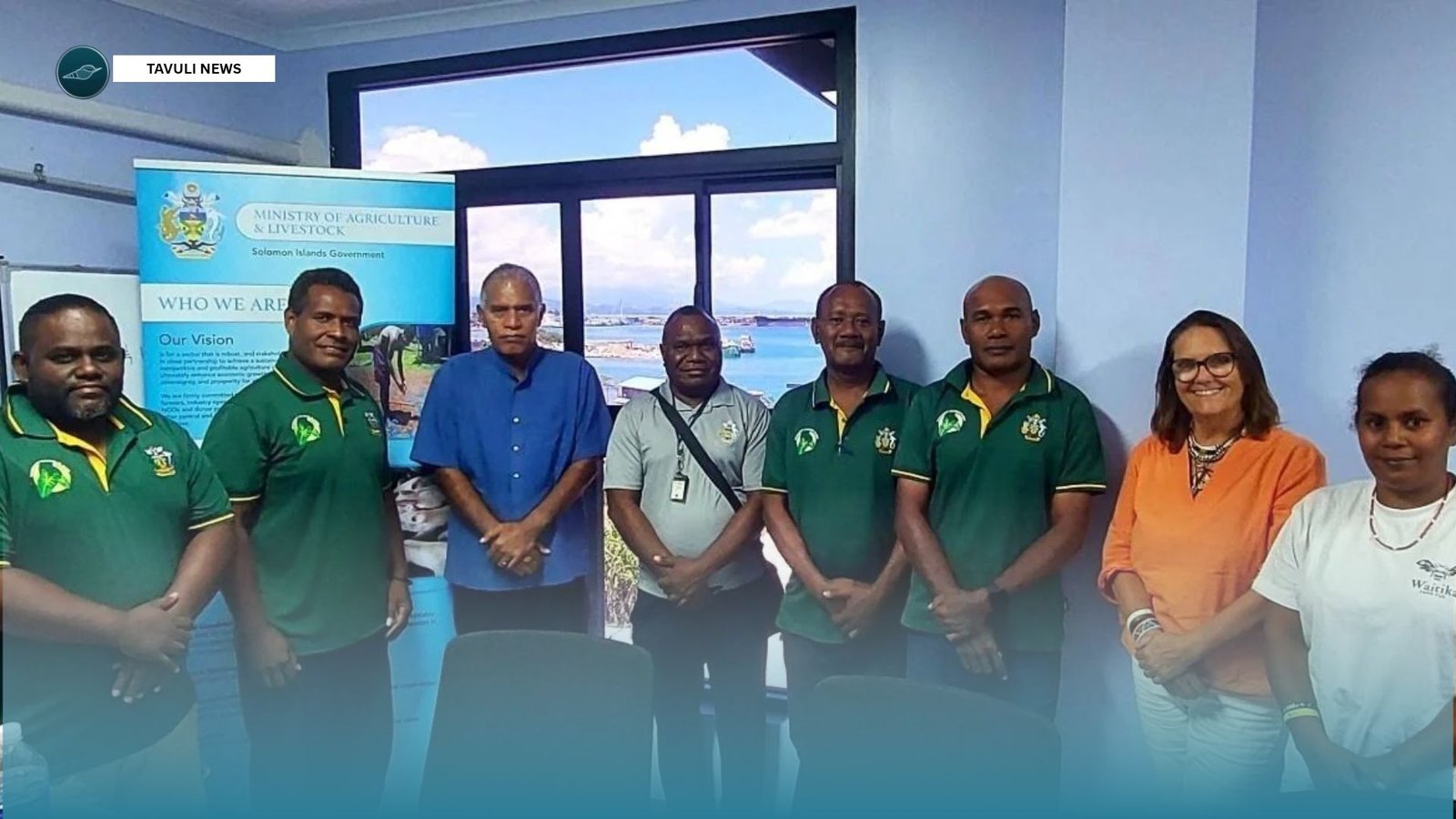
Biosecurity Solomon Islands (BSI), under the Ministry of Agriculture and Livestock Development (MALD), hosted the Vice President of the Fiji Beekeepers Association, Mrs. Jean Tikaram, for a meeting aimed at strengthening biosecurity measures and protecting the growing honey and beekeeping industry in Solomon Islands.
The meeting, held at MALD Headquarters on Monday 23rd November 2026, brought together MALD executives, Biosecurity officers and other Ministry officials directly involved in beekeeping, honey production and related agricultural activities.
The engagement provided an important opportunity to share experiences from Fiji’s bee industry, particularly in managing existing and emerging pest and disease threats, strengthening surveillance systems and improving preparedness and response measures across the Pacific.
During her presentation, Mrs. Tikaram highlighted Fiji’s experiences in managing serious bee pests and diseases, including American Foulbrood (AFB), Varroa destructor, Small Hive Beetle and Tropilaelaps.
She emphasised the importance of proactive biosecurity measures to prevent these threats from spreading into other Pacific countries.
While Solomon Islands currently faces biosecurity concerns associated with the Asian honey bee (Apis cerana) and Varroa jacobsoni, the meeting stressed the importance of preventing additional and potentially more damaging exotic pests and diseases from entering the country.
Mrs. Tikaram shared Fiji’s joint working group approach, which brings together government agencies, industry representatives and beekeepers to strengthen surveillance at ports and airports, improve community education and mentoring, and implement domestic movement controls and rapid response arrangements.
A key concern raised during the meeting was the protection of areas such as Temotu and Ulawa, which remain important pest-free areas for conserving bee populations, breeding queen bees and supporting the recovery and development of the national honey industry.
Reflecting on the importance of prevention, Mrs. Tikaram stated: “Keeping these pests out is far more realistic than trying to manage them once they are in.”
She further emphasised that regional cooperation and information-sharing would be essential in protecting the livelihoods of beekeepers and communities that depend on the honey industry.
“The partnership and shared knowledge between Fiji and the Solomon Islands will be crucial in protecting our local honey industries and the livelihoods they support,” she said.
For Biosecurity Solomon Islands, the meeting reinforced the need to strengthen its regulatory, surveillance and operational responsibilities under the Biosecurity Act 2013 and Biosecurity Regulations 2015.
BSI highlighted its commitment to maintaining strict biosecurity measures at international ports of entry, including passenger and baggage inspections at international airports, imported cargo inspections and biosecurity clearance of arriving international vessels.
These measures are intended to minimise the risk of live bees, bee colonies, used beekeeping equipment and other potentially regulated materials entering the country without appropriate controls.
The Ministry also recognised the importance of strengthening pest surveillance, early detection and reporting, public awareness, stakeholder collaboration and emergency response preparedness.
The meeting further emphasised that protecting the honey industry is a shared responsibility requiring close cooperation between Biosecurity Solomon Islands, relevant MALD divisions, provincial authorities, beekeepers, industry operators and local communities.
Mrs. Tikaram’s visit and engagements in Solomon Islands were made possible through funding support from the Australian Centre for International Agricultural Research (ACIAR)–Southern Cross University Bee Research Project, in collaboration with the Ministry of Agriculture and Livestock Development.
MALD Press Release