










BSI meets timber exporters to clarify Kiribati’s biosecurity and treatment requirements and strengthen export compliance.
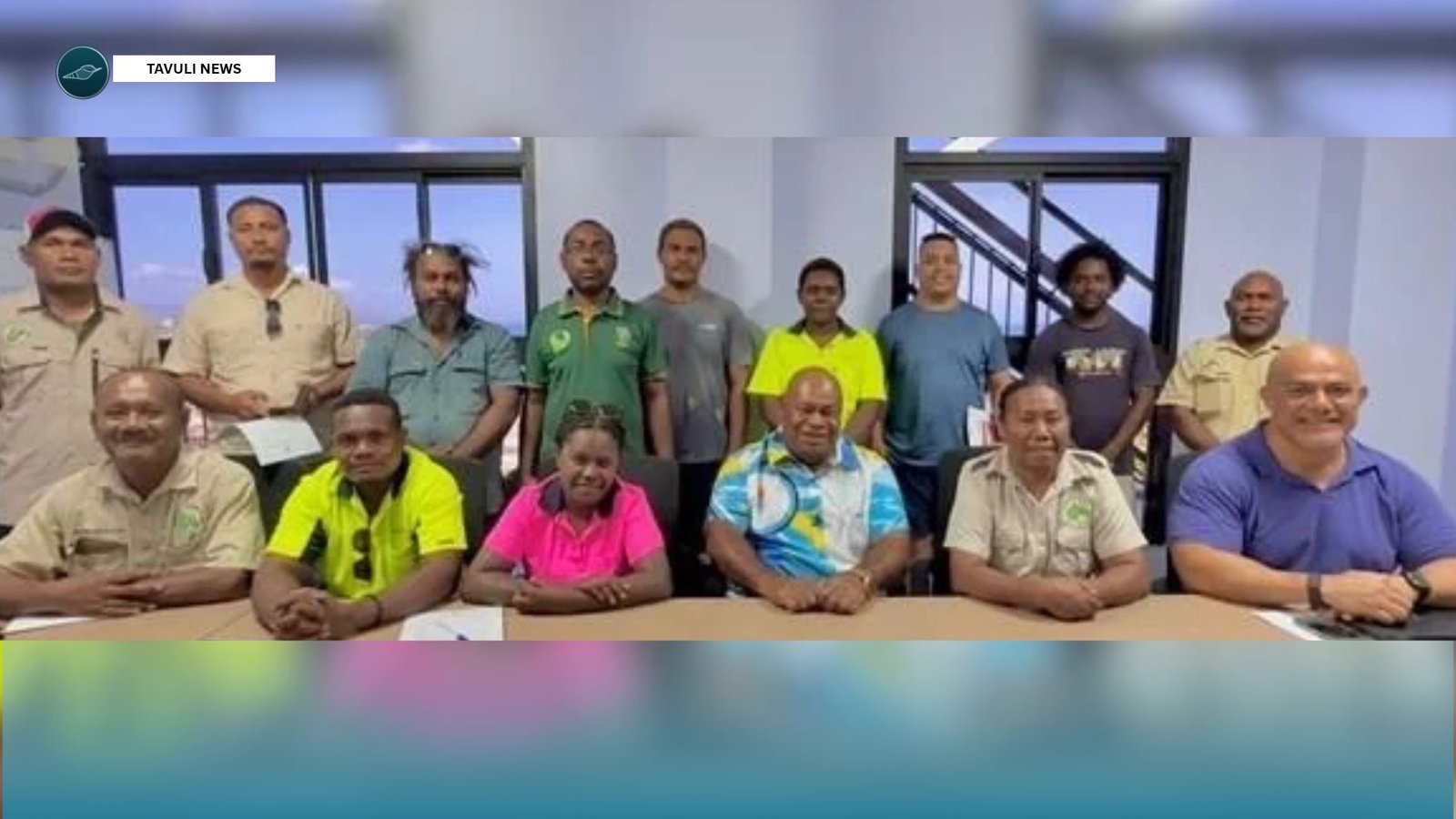
Biosecurity Solomon Islands (BSI), under the Ministry of Agriculture and Livestock Development (MALD), has met with timber exporters and treatment providers to discuss export requirements for timber and timber products destined for Kiribati and establish a pathway towards achieving compliance.
The meeting, held on 11th November, provided an opportunity for BSI officers to clarify the biosecurity, phytosanitary and treatment requirements established by the Kiribati Ministry of Environment, Lands and Agriculture Development (MELAD).
It also allowed exporters and treatment providers to raise concerns, seek clarification and discuss challenges directly with BSI.
Timber exports play an important role in the Solomon Islands economy. The industry generates employment, provides income for families, supports rural communities and contributes to national economic development. Ensuring compliance with importing countries’ requirements is therefore essential to maintaining existing markets and securing future export opportunities.
Beyond meeting international market requirements, compliance also supports national efforts to promote sustainable forestry and responsible natural resource management.
Market-based approaches, for example, can encourage sustainable forest management by requiring timber exported overseas to originate from legally harvested and sustainably managed forests, with its source verified by the relevant competent authority.
Such requirements can create commercial incentives for responsible harvesting, improved traceability and compliance with national forestry laws, while helping protect the country’s forest resources and maintain access to international markets.
Jean Eroa Manepora’a BSI Director said the meeting represented an important step towards strengthening collaboration between government and the timber industry to achieve export compliance.
“BSI’s function is not only to regulate, but also to support safe and lawful commerce. We would like Solomon Islands timber exporters to be successful in global trade. This requires a common effort among government and industry to comply with the rules of importing countries, improve treatment and certification systems, and protect the image of Solomon Islands timber exports. Today’s meeting represents another significant step towards achieving these goals together,” she said.
The meeting concluded with agreement on several next steps, including closer collaboration between BSI, exporters and treatment providers to develop practical compliance plans and identify training needs.
Industry representatives also welcomed the opportunity to engage directly with BSI and gain a clearer understanding of importing country requirements.
“We welcome this opportunity to engage directly with BSI and better understand what is required of us as exporters. Our priority is to meet importing country requirements, maintain access to international markets and grow our businesses. Working together with BSI to address compliance challenges will benefit the industry, our workers and the communities that depend on timber exports,” an industry representative said.
BSI acknowledged and thanked all timber exporters and treatment providers who participated in the meeting, recognising their commitment to working collaboratively towards improved export compliance.
The organisation looks forward to strengthening its partnership with the timber industry to maintain access to existing international markets and support efforts to secure new market opportunities for Solomon Islands timber and timber products.
Through continued cooperation, improved treatment and certification procedures, and stronger compliance systems, BSI and the timber industry aim to protect the reputation of Solomon Islands timber exports while supporting sustainable economic growth.
MALD Press Release