










Fears about rising seas are affecting the daily lives of people in Solomon Islands coastal villages, according to research highlighted in a regional report launched at COP31 in Türkiye.
Residents described worry about their families, gardens, burial grounds and the future of their communities.
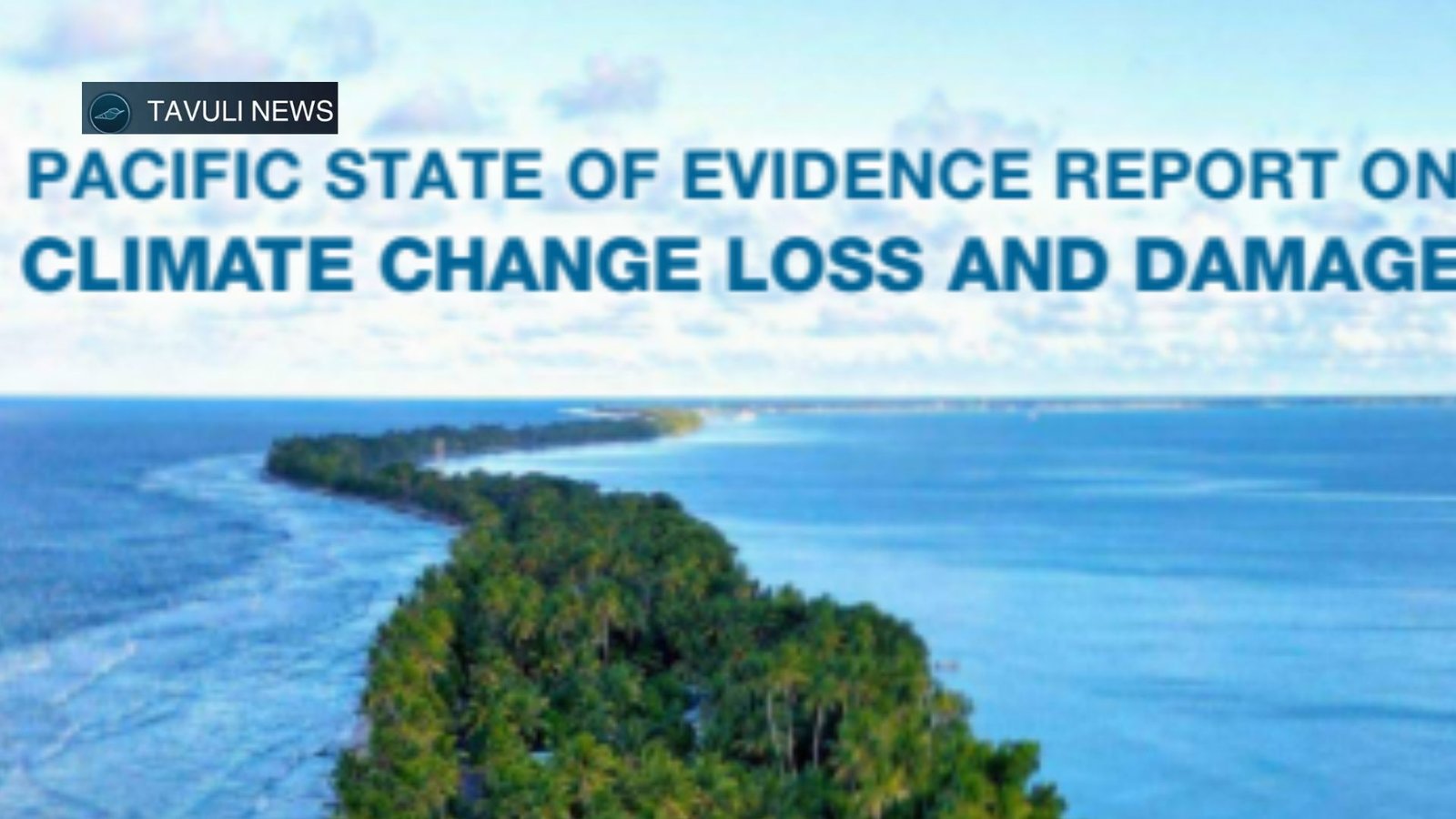
The Pacific State of Evidence Report on Climate Change Loss and Damage cites a study involving 57 residents across six remote Solomon Islands coastal villages. It documented serious effects on mental wellbeing associated with sea-level rise.
Research from Malaita also found that concerns about rising seas influenced everyday thinking and behaviour, with residents describing uncertainty and feelings of powerlessness.
The report places those experiences alongside evidence from other Pacific countries, where environmental change and displacement have been associated with anxiety, grief and fear for younger generations.
Published by the Secretariat of the Pacific Regional Environment Programme, the assessment was launched at the UN climate summit in Antalya.
It brings together earlier research rather than presenting a new nationwide survey. The Solomon Islands studies describe particular communities and cannot establish how widespread those experiences are across the country.
For the regional review, researchers screened academic studies, government records and other publications for evidence of impacts that had occurred. The evidence base contained 187 documents as of January 2026, with later sources added selectively.
The authors acknowledge that mental wellbeing is affected by several pressures and that their review does not establish climate change as the sole cause of the distress described.
The report recommends that assessments give greater attention to community wellbeing alongside the cost of repairing buildings, roads and other infrastructure.
Read the full report: https://library.sprep.org/sites/default/files/2026-11/Regionalloss-damage-LDCC.pdf