










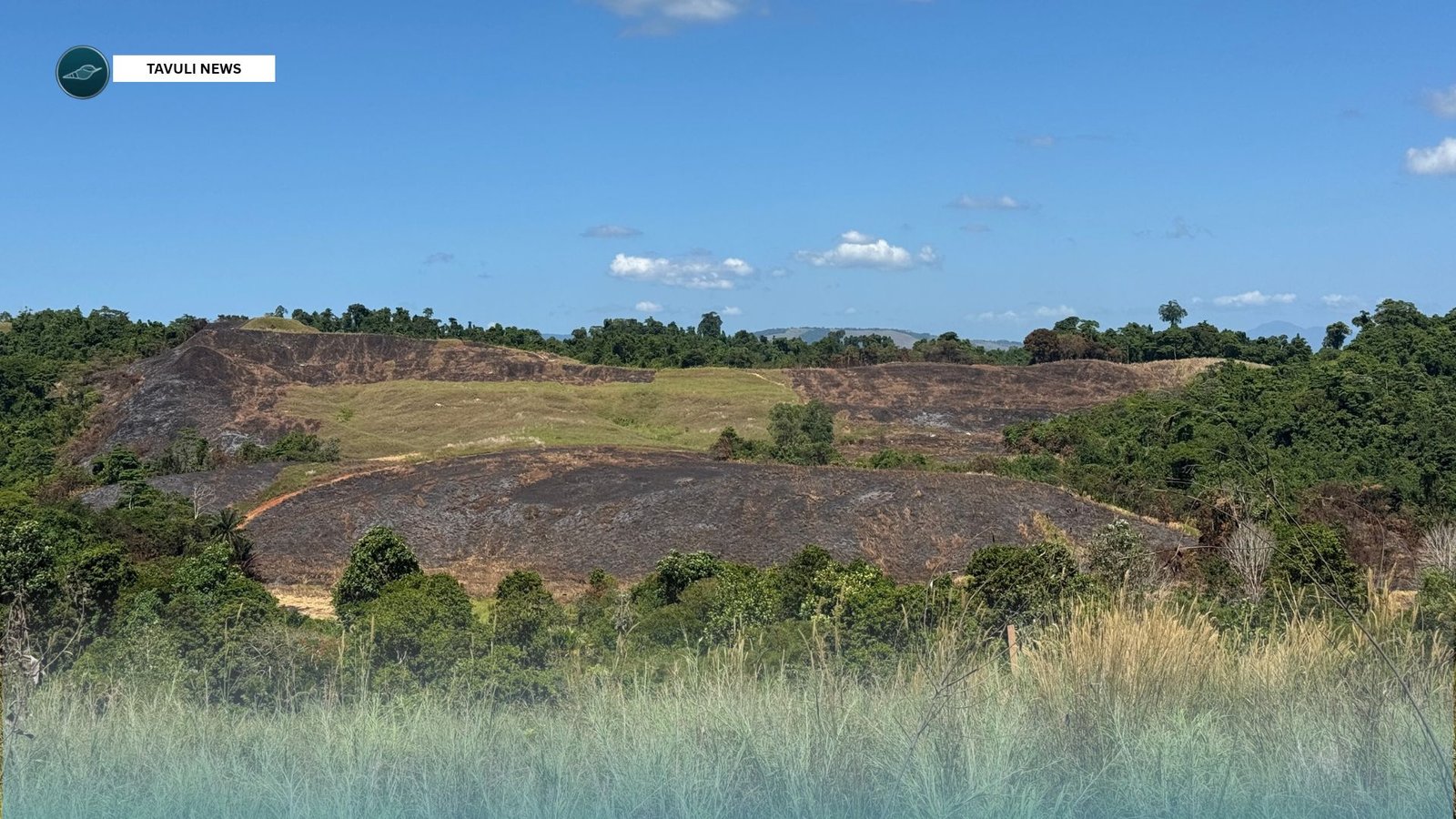
Dry conditions linked to El Niño raise concerns that bushfires could expose unexploded World War II bombs in Solomon Islands.
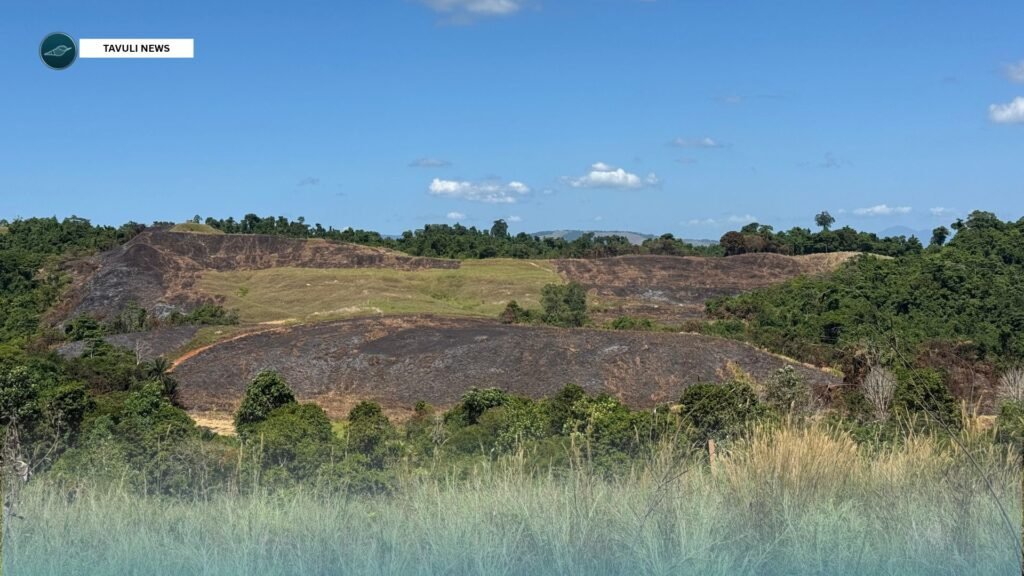
Dry conditions associated with the current El Niño event are raising concerns about the potential for bushfires to expose unexploded World War II bombs in former battle areas of Solomon Islands.
The Solomon Islands Meteorological Service has warned of below-normal rainfall associated with El Niño, increasing the risk of prolonged dry spells and drought conditions in parts of the country.
Prolonged dry weather can leave vegetation more vulnerable to bushfires. More than 80 years after World War II, unexploded bombs and other wartime ammunition may still remain buried beneath soil and vegetation, posing a potential danger to communities living and working on the land.
The HALO Trust’s Programme Manager for Papua New Guinea, Stephen Talu, says bushfires could expose bombs that have remained hidden underground for decades.
“During prolonged dry periods, vegetation dries out and bushfires can expose bombs that have remained hidden for decades.
“This brings a risk many people overlook: unexploded ordnance (UXO) from World War II,” Talu says.
He warns that explosive items exposed to intense heat may become unstable, while changes to the ground can also uncover previously buried ammunition.
In former battle areas, burning vegetation is sometimes part of everyday activities such as clearing land, preparing gardens and disposing of rubbish.
However, Talu says these activities could create additional risks in areas where unexploded wartime ammunition may still be present.
He cautions people against assuming that old bombs are harmless simply because they have remained underground for decades.
“Just because a bomb has been in the ground for more than 80 years does not mean it is safe. Corrosion and deterioration can make its condition unpredictable,” he says.
Talu says anyone who comes across a suspected wartime bomb should avoid touching, moving or attempting to remove it.
“If you find something that you suspect is a wartime bomb, do not touch it. Move away and keep other people away from the area,” he says.
Suspected explosives should be reported to the Royal Solomon Islands Police Force Explosive Ordnance Disposal Division (RSIPF EODD) or a recognised clearance organisation such as HALO Trust.
Parents and community leaders are also encouraged to remind children to stay away from unfamiliar metal objects found in gardens, bush areas and former battle sites.
Talu is urging communities in former battle areas to take extra care when clearing land and burning vegetation, particularly during prolonged dry conditions.
He says suspected wartime explosives should never be touched or disturbed and must be reported to trained authorities.