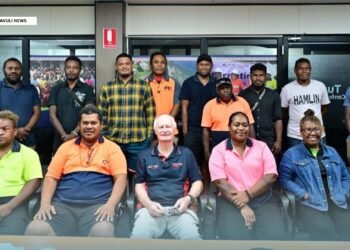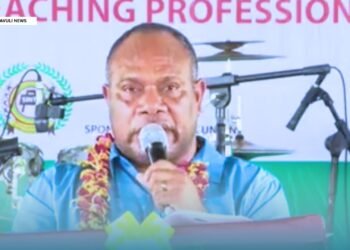

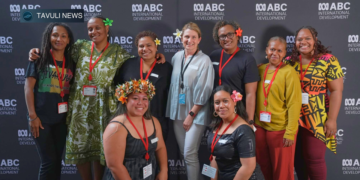








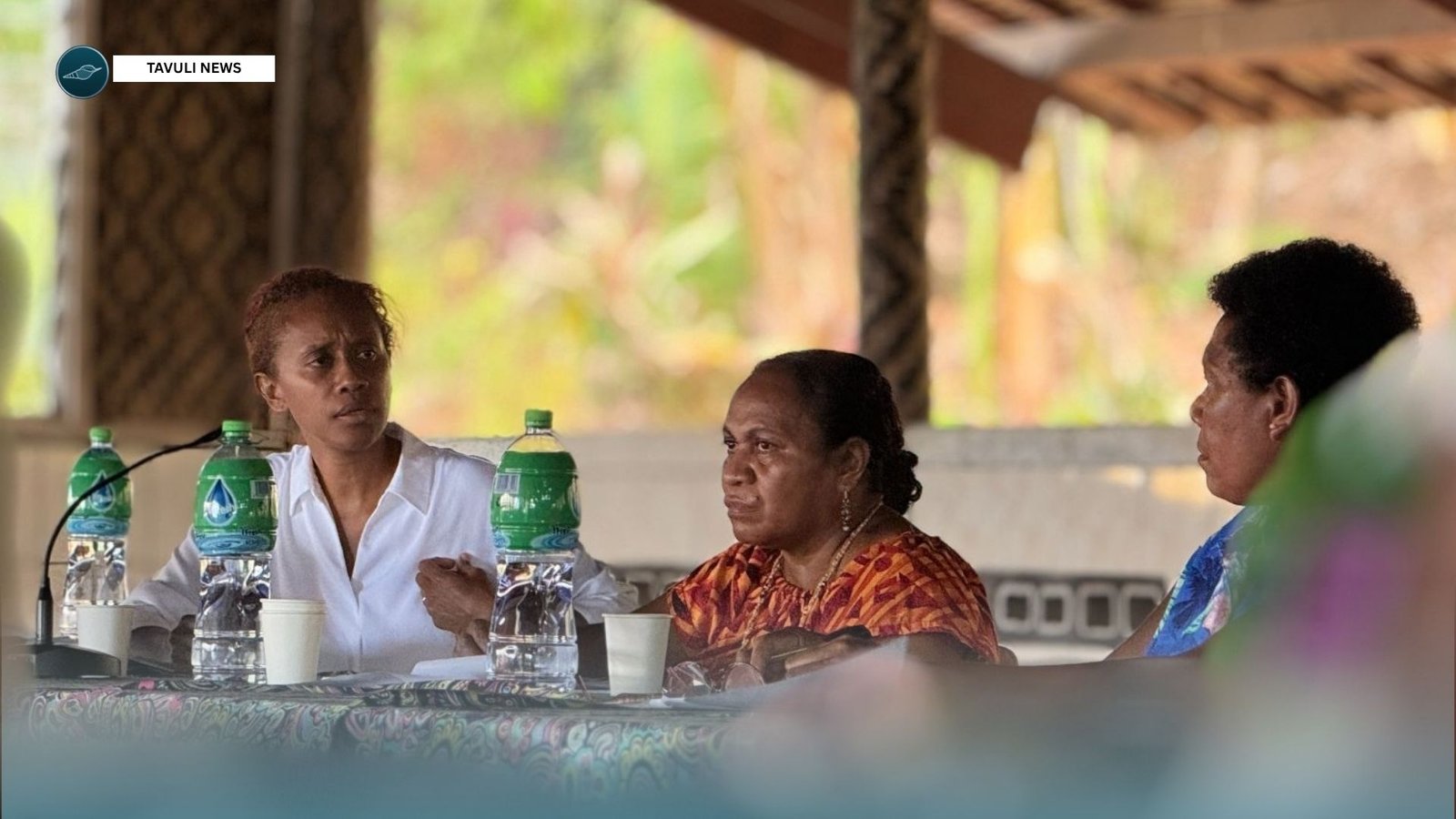
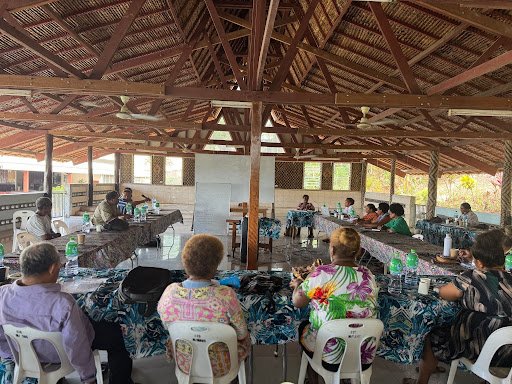
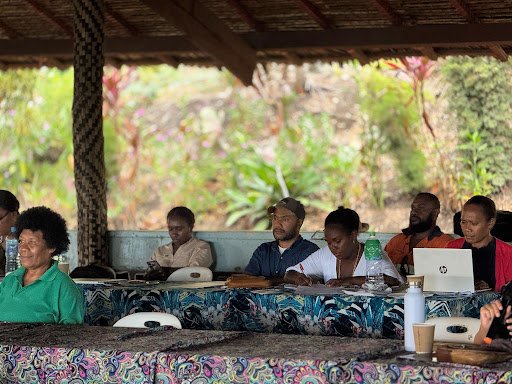
Civil society groups and community partners provide feedback on the proposed Mineral Resources Bill 2025 in Honiara.
Civil society organisations, non-governmental organisations and community partners have been given an opportunity to provide feedback on the proposed Mineral Resources Bill 2025, as the Government continues efforts to gather views on the legislation.
The consultation was held this week by the Ministry of Mines, Energy and Rural Electrification (MMERE), in partnership with the Development Services Exchange (DSE), in Honiara.
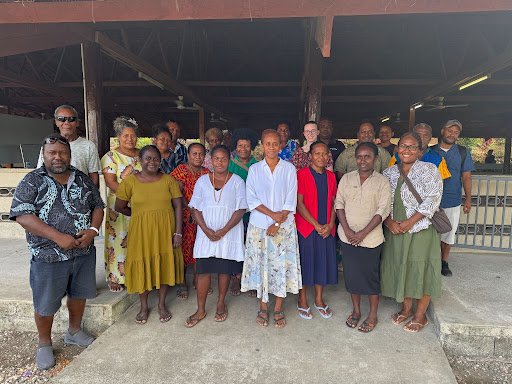
The one-day consultation brought together representatives from civil society groups and other community partners to discuss the proposed legislation, identify gaps and recommend areas that may require further consideration.
The consultation comes as the Mineral Resources Bill 2025 is before Parliament at the second-reading stage, following a previous parliamentary sitting at which further consultations were requested.
The engagement provided an opportunity for participants to examine the proposed legislation and raise concerns about how it could affect communities, landowners and other stakeholders involved in the country’s mineral resources sector.
The consultation also highlighted the importance of involving communities in discussions about legislation that could have implications for resource management, economic development and local livelihoods.
Speaking to Tavuli News, Director of the Mines Division within MMERE, Krista Jacob Tatapu, said the ministry was pleased with the turnout and level of participation during the consultation.
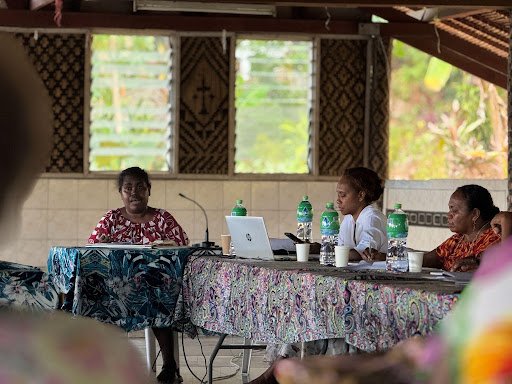
She said the engagement was an important step towards involving more people in the process and allowing stakeholders to contribute their views before the bill progresses further.
Ms Tatapu said legislation of this nature could affect people across the country once enacted, making it important to gather feedback from different groups.
She said the consultation allowed participants to discuss the proposed bill, identify areas they considered appropriate and highlight gaps that might need to be addressed.
The consultation was organised and coordinated in partnership with DSE and conducted by the ministry’s Director and Deputy Director.
DSE General Secretary Jennifer Wate said civil society organisations had been advocating for consultations on the Mineral Resources Bill 2025 to ensure that different groups had an opportunity to understand the proposed policy and contribute to the discussion.
She said the consultation provided a useful opportunity for participants to examine the Government’s proposed direction for the bill and identify areas that could be improved.
Ms Wate said while some areas of the proposed policy might already be working well, other provisions required further discussion and consideration.
She said civil society organisations had an important role in bringing community perspectives into government policy discussions, particularly when proposed laws could affect people at the local level.
Ms Wate stressed that communities, resource owners, women and young people should be included in consultations rather than being left out of decisions that could affect them.
“We must be ready, so civil society contributes, as well as our people or community, the resource owners, the women, or the young people. Their views must be heard, and must be inside, not outside,” she said.
She said inclusive consultations were important to ensure that a range of experiences and concerns could be presented to the Government for consideration.
The consultation also provided an opportunity for representatives of Indigenous peoples to raise issues relating to participation, land and the potential effects of mineral resource legislation on communities.
Rocky Tisah, representing the Solomon Islands Indigenous Peoples Human Rights Advocacy Association, welcomed the consultation, describing it as an opportunity for more people to participate in discussions about legislation that could affect their communities and livelihoods.
Mr Tisah said geographical barriers and other challenges could make it difficult for people in different parts of the country to participate in consultation processes.
He said bringing stakeholders together with the ministry provided an opportunity to raise their concerns and contribute directly to discussions on the proposed bill.
“From the start, it shows that people were not consulted, perhaps because of the challenges and geographical barriers. Having the ministry here today provides an opportunity to put forward our inputs,” he said.
Mr Tisah said the management of mineral resources was an important national issue and that the proposed legislation could have significant implications for Indigenous communities.
“This is very important because mines and minerals are a key part of the country’s economy, and whatever the law provides will impact every Indigenous person,” he said.
The discussion also highlighted the role of civil society organisations in connecting government agencies with communities, particularly in rural areas.
Ms Tatapu said civil society organisations were important partners because of their close working relationships with communities and their understanding of issues affecting local people and landowners.
She said the organisations could help communicate concerns raised by communities and provide feedback to the ministry, supporting its understanding of the issues that may need further consideration.
She added that bringing civil society representatives together provided an opportunity to hear about concerns they had encountered through their work with communities over the years.
For civil society representatives, the consultation was also an opportunity to contribute recommendations that could inform the Government’s consideration of the proposed legislation.
Ms Wate said the participating civil society organisations and non-governmental organisations would compile their feedback and prepare a final submission to the Ministry of Mines.
She said the groups expected to complete the submission within approximately one to two weeks.
“We are looking forward to putting together all our submissions, maybe in two weeks’ time, or a week’s time, and making our final submissions to the Ministry of Mines,” Ms Wate said.
The recommendations are expected to outline participants’ views on the proposed bill and identify areas they believe require further attention.
The consultation forms part of efforts to gather stakeholder feedback on the Mineral Resources Bill 2025. The ministry’s consideration of the submissions will be an important next step in determining how the feedback informs the ongoing legislative process.