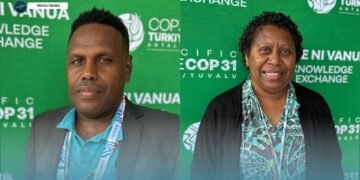





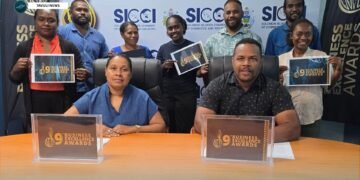
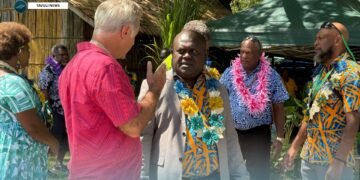
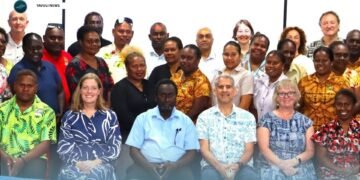




















Pacific carbon project representatives attend Pre-COP31 in Fiji, calling for inclusive climate policies and community benefits.
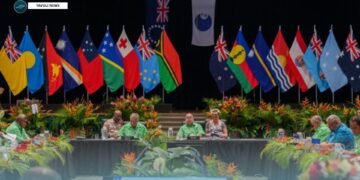
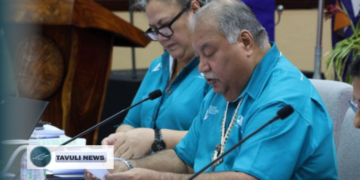
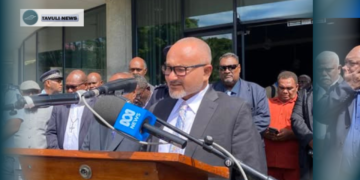
Small-scale carbon project representatives from the Pacific are at one of the region’s biggest climate gatherings this week.
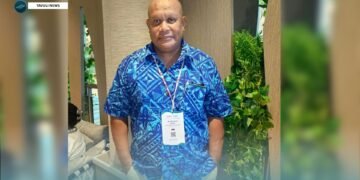
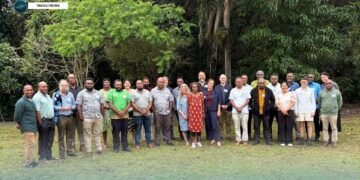
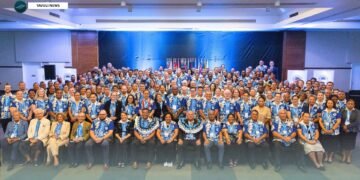
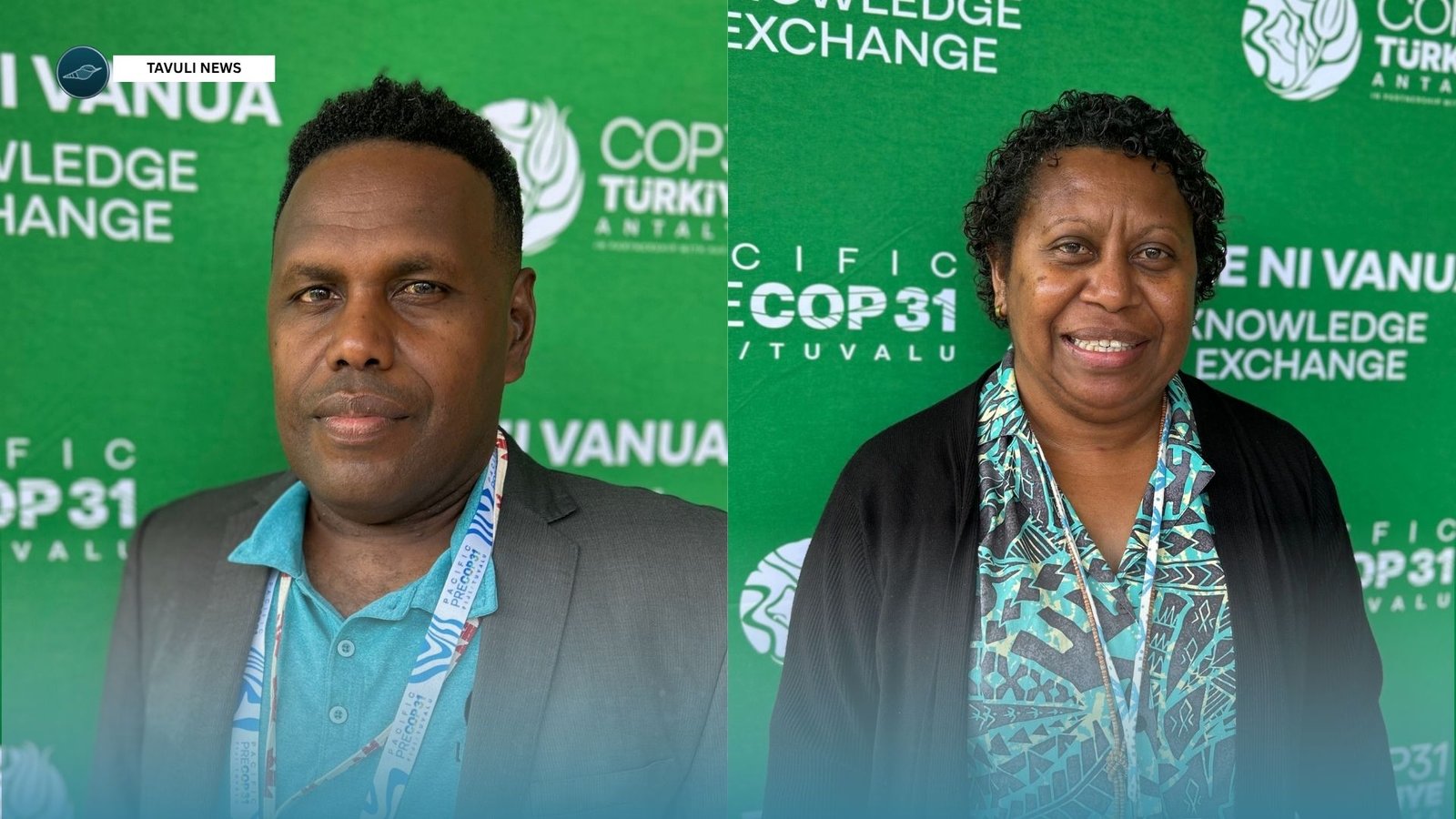
Live and Learn Solomon Islands carbon and conservation lead Bill Apusae, Rosemary Isicar from Live and Learn Papua New Guinea and Robbie Henderson from Nakau joined around 4,000 participants at Pre-COP in Fiji, including global leaders and international climate organisations.
The gathering is in preparation for the UN climate summit, COP31, in Türkiye in November and the attendance of Bill, Rosemary and Robbie was supported by the recently launched RISE (Rights, Integrity, Safeguards and Equity in Carbon Markets) project.
For Bill and Rosemary, attending an international forum like this was a first, and as Bill Apusae explained “an important opportunity to contribute to global discussions on climate change, environmental protection and sustainable development.”
“COPs are more than international conferences; they are spaces where the experiences and concerns of Pacific communities can be shared with decision-makers and where we can learn from others facing similar challenges,” said Bill. “As a Solomon Islander, participating in these discussions gives me an opportunity to bring local and regional perspectives to the global conversation.”
Carbon policy is a hot topic in the Pacific, and the world, right now. And in Solomon Islands carbon policy is being developed so it is a particularly important time to ensure community-led carbon projects—where the benefits flow to communities and customary rights are upheld—have a place in national and global policy development.
A significant recurring theme of Pre-COP has been how to mobilise more finance for Pacific countries’ adaptation, and particularly to make sure that funding reaches communities. There is a general consensus that this is not happening at nearly the scale and speed it needs to.
“At Pre-COP, I notice there are a diverse range of stakeholders, including governments, civil society organisations, Indigenous Peoples, youth, women, development partners, private-sector representatives, and climate experts. However, the level of representation and influence is not always equal,” says Bill.
“As someone from an Island nation, I recognise the importance of ensuring the experiences and priorities of island communities are represented in these discussions … meaningful participation requires opportunities for our voices to influence decisions and outcomes.”
Bill Apuse will form part of a delegation from Live and Learn and Nakau heading to this year’s global climate and biodiversity COPs. Being part of the initial discussions in Fiji has been an important moment to understand how dialogues unfold and where opportunities for connection and influence lie.
A key message from this week has been that the Pacific Islands region is not just at the front line of climate impacts, it is also holding the line against climate change with Pacific oceans and forests being critical storage for CO2. Two strong reasons why Pacific needs and contributions need to be acknowledged in global decisions.
“Carbon policies should not only focus on reducing emissions or generating carbon credits. They must also deliver fair and sustainable benefits to the people who protect and depend on these ecosystems. By continuing to speak, listen, connect communities with decision-makers, and advocate for inclusive and rights-based approaches, I can contribute to ensuring that climate action promotes both environmental integrity and social justice,” says Bill.
SOURCE// RISE Media Statement