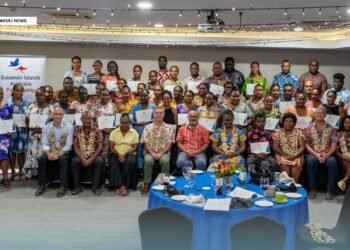









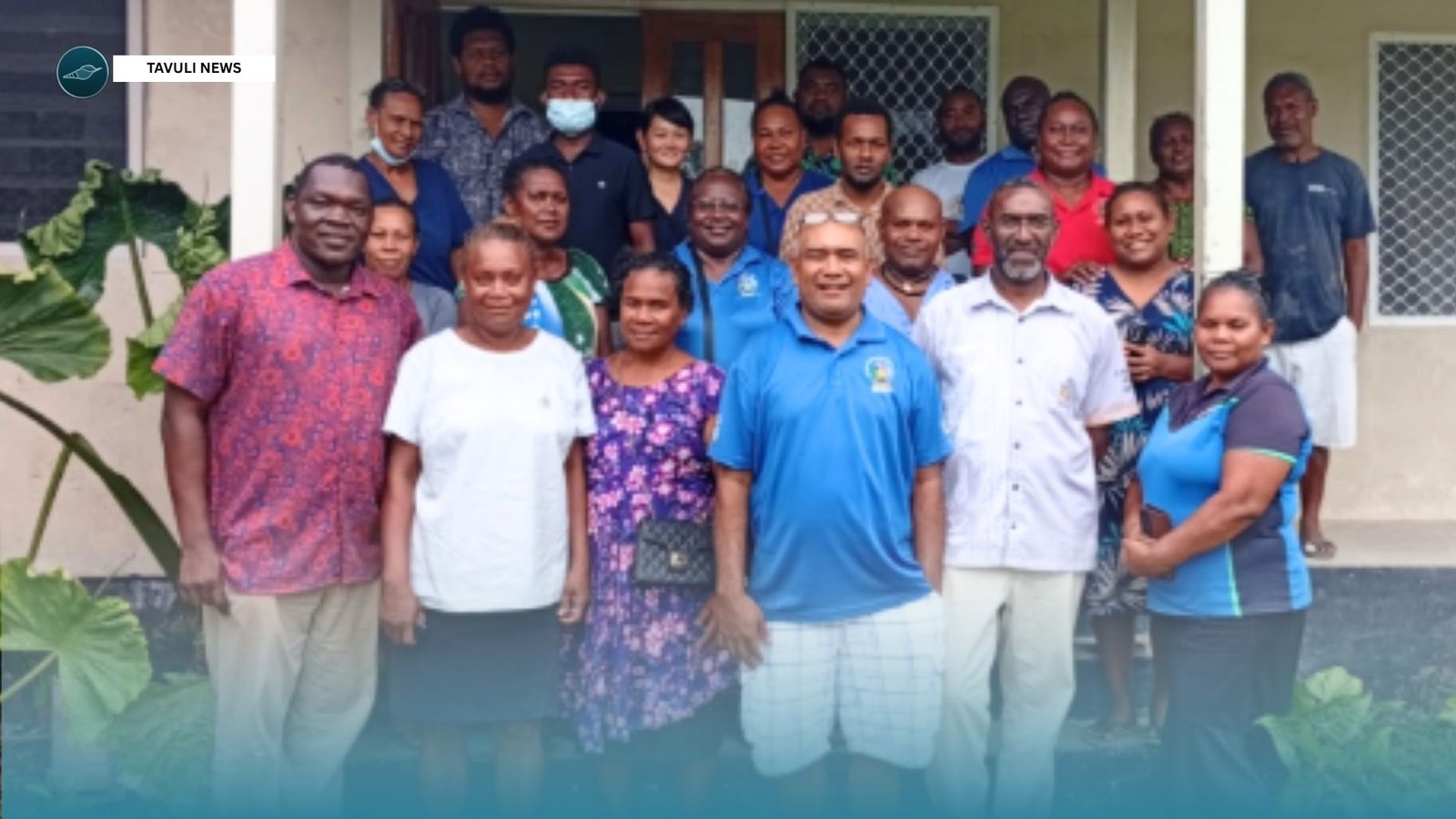
TB mission in Isabel screens 220 contacts, detects new cases and expands preventive treatment to protect communities.
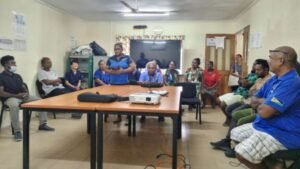
More than 200 people in Isabel Province benefited from a targeted tuberculosis (TB) prevention mission that identified people at risk, detected new TB cases and expanded access to preventive treatment.
The mission was conducted from 24 to 30 July 2026 with support from the Ministry of Health and Medical Services (MHMS), the National Tuberculosis and Leprosy Program and the Isabel Provincial Health Office.
The mission focused on active contact investigation, tuberculosis preventive treatment (TPT), health worker mentorship and community awareness to strengthen early detection, prevent transmission and improve treatment outcomes.
STRONG RESULTS FOR TB PREVENTION
A total of 220 TB contacts were screened, including 189 contacts of rifampicin-resistant TB cases and 31 contacts of drug-susceptible TB cases.
The screening identified 33 people with latent TB infection, and all 33 eligible contacts were started on preventive treatment to reduce their risk of developing active TB disease.
The team also detected three new TB cases and linked them to treatment, helping ensure timely care and reduce the risk of further transmission in households and communities.
Community engagement was also a key part of the mission, with more than 200 people reached through TB awareness and education sessions covering symptoms, prevention, treatment adherence and the importance of seeking healthcare early.
In addition, 49 healthcare workers were screened, with 11 diagnosed with latent TB infection and started on preventive treatment.
“This results show the value of bringing TB services closer to communities through active screening, early detection and preventive treatment,” said Minister of Health and Medical Services Morris Toiraena.
“By finding people at risk early, linking confirmed cases to treatment, and strengthening the skills of provincial health workers, we are helping protect families, reduce transmission and build more resilient TB services in Isabel Province.”
STRENGTHENING LOCAL HEALTH SERVICES
The mission also focused on strengthening Isabel Province’s long-term capacity to prevent and manage TB.
Thirteen healthcare workers were trained and mentored in TB contact investigation and preventive treatment. Their knowledge scores improved from 49 percent before training to 81 percent after training.
The team provided six days of practical coaching and on-site support to strengthen the skills and confidence of provincial health workers.
Supportive supervision was also conducted at Buala Hospital, while outreach activities reached Rifukoti village in Buala Ward and Kolosori village in Hovikoilo Ward.
These activities strengthened TB reporting, monitoring, infection prevention and control, and the practical implementation of preventive treatment at provincial and community levels.
“I would like to thank all of you for your tireless efforts and unwavering technical support in conducting training on latent and active TB at Buala Hospital,” said Isabel Provincial Health Director Martin Gavira.
“I look forward to working with my team to continue these important efforts.”
CONTACT TRACING KEY TO PREVENTION
WHO Representative in Solomon Islands Dr Howard Sobel said contact tracing was central to preventing TB transmission.
“Contact tracing lies at the heart of tuberculosis prevention. Isabel Province has set an important example by ensuring that every case is followed by a thorough contact investigation, helping us find those at risk early and prevent the spread of disease,” he said.
“Isabel Province has shown the standard we should all strive for: comprehensive, timely, and high-quality contact tracing for every case.”
MHMS and partners commended the Isabel Provincial Health Office, Buala Hospital staff, community leaders and health workers for their commitment and support during the mission.
Their collaboration helped bring TB prevention and care closer to communities while contributing to stronger and more sustainable TB services in Isabel Province.
The mission was funded by the Australian Government Department of Foreign Affairs and Trade (DFAT) and The Global Fund to Fight AIDS, Tuberculosis and Malaria, with implementation support from the Burnet Institute and World Vision Solomon Islands.
WHO Media Release