











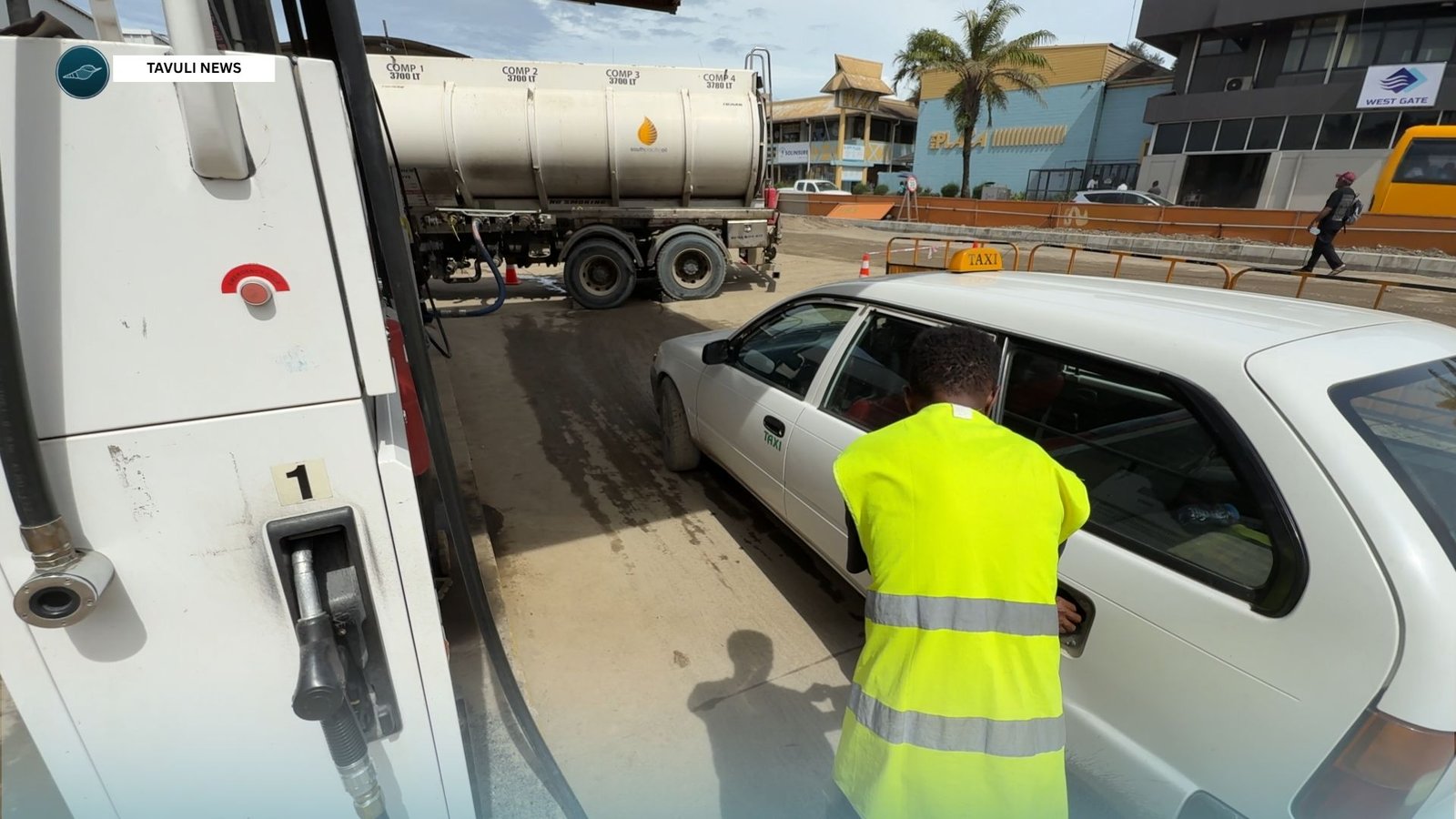
Rising fuel prices are increasing costs for Solomon Islands businesses in fisheries, transport, shipping, manufacturing and power.
By Margret Nuake


From the boats that connect our islands to the vehicles that deliver goods and the generators that help keep businesses running, fuel plays a central role in everyday life in Solomon Islands.
When fuel prices rise, the impact does not stop at the petrol station. Businesses must find ways to manage higher operating costs, transport operators review their charges, and the cost of moving goods between provinces can add pressure to household budgets.
For a country made up of many islands, where maritime transport is essential for connecting communities and supplying goods, changes in fuel prices can have consequences across the economy.
These challenges were at the centre of a public forum held at Solomon Islands National University’s Kukum Campus. Co-hosted by the Solomon Islands Chamber of Commerce and Industry (SICCI) and the Media Association of Solomon Islands (MASI), the forum brought together representatives from fisheries, manufacturing, maritime transport, logistics and electricity generation to discuss how rising fuel costs are affecting their operations.
The discussions offered a closer look at the pressures facing local businesses and the decisions they must make to continue operating in an uncertain cost environment.
For SolTuna, a tuna-processing company based in Noro, Western Province, fuel is central to its operations. The company processes tuna for export and local markets, with energy needed for processing, refrigeration and other activities.

Adrian Wickham
Adrian Wickham, a senior adviser representing SolTuna at the forum, said the challenge went beyond the immediate cost of fuel.
“Fuel price uncertainty makes it fundamentally harder for businesses to plan production, project future investments, and maintain stable employment levels over the long term,” Wickham said.
SolTuna consumes approximately 430,000 litres of fuel each month, exposing its operations to changes in fuel costs.
For a business operating in international markets, managing these costs can be particularly challenging. While expenses may rise locally, the company cannot necessarily increase the prices it receives from overseas buyers to cover the difference.
Wickham said businesses needed a stable operating environment to forecast costs, plan investments and protect jobs over the long term.
The issue extends beyond one company. Fisheries and processing businesses support employment, suppliers, transport operators and communities that depend on their activities. The ability of these industries to manage rising costs can therefore have wider implications for economic activity and local livelihoods.
The pressures are also felt by businesses responsible for moving people and goods. For transport operators, fuel is a direct business expense, and when the cost rises, they must decide whether to absorb the increase, reduce other expenses or adjust their prices.
John Wanofafia, owner and manager of Cab’It, a local transport and delivery service, said higher fuel costs had affected the company’s operating expenses and led it to revise its pricing structure.
He said the service initially charged a flat rate of SBD10 per kilometre. Under the revised rates he outlined at the forum, scooter services incur a SBD30 service fee plus SBD7 per kilometre, while larger vehicles incur a SBD50 service fee plus SBD10 per kilometre.
The changes show how rising operating costs can affect the prices customers pay for transport and delivery services.
For small businesses, adjusting prices is not always straightforward. Higher charges may help cover expenses, but customers also face their own financial pressures. Operators must balance the need to remain financially viable with the cost of keeping services accessible.
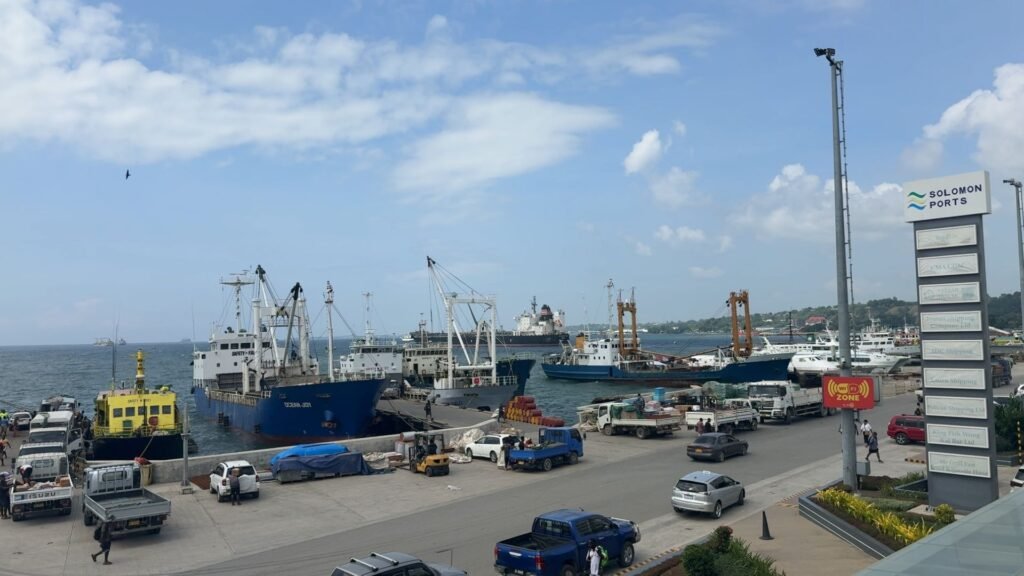
The challenge is also significant for maritime transport, which connects Honiara and provincial centres with rural communities across the country.
Kitchener Wheatley, representing Solomon Islands Maritime Logistics, said rising fuel prices were increasing the costs of operating vessels and moving goods.
When shipping costs rise, businesses may face higher expenses transporting goods to different provinces. These costs can contribute to higher retail prices, although the extent of the impact depends on freight arrangements, business margins and other factors.
For communities that rely on ships to receive food, household supplies, medicines and building materials, the cost of maritime transport is an important part of the overall cost of living.
Beyond transport, fuel costs also affect electricity generation.

Joshua Tuasulia
Solomon Power, the country’s electricity utility, relies heavily on diesel to generate electricity, exposing its operating costs to changes in fuel prices.
Joshua Tuasulia, the utility’s chief financial officer, said fuel was one of its major daily expenses.
“Fuel is one of our biggest daily costs. Trying to keep the lights on across all 12 power stations in the country while fuel prices keep going up puts a massive strain on our services,” Tuasulia said.
Fuel costs had risen to 67 per cent of Solomon Power’s total operating costs amid higher diesel prices, compared with a usual share of around 45 to 55 per cent cited at the forum.
The figures illustrate the financial pressure fuel price increases can place on electricity generation and supply.
Electricity is essential for households, businesses, schools, health facilities and other services. Managing the cost of generating power is therefore important not only for the utility but also for the wider economy.
However, higher fuel costs do not automatically mean electricity tariffs will rise by the same amount. The effect on consumers depends on the utility’s finances, operating arrangements and applicable tariff decisions.
For manufacturers, fuel costs are only one part of a broader operating environment that includes electricity, freight, imported materials, packaging and equipment.
Quila Tuhanuku, representing Solomon Breweries and the manufacturing sector, said industrial development required long-term investment and careful planning.
“Manufacturing is not something you just come and put in and five years later it makes more income. It is a business where when you make an investment, the expectation is that it stays for decades.
It has the ability to be resilient, to re-invent itself, and to change with new technology and market demands,” Tuhanuku said.
Her comments highlight the longer-term nature of manufacturing investment, where businesses must plan for changing costs, technology and market conditions.
Tuhanuku also stressed the importance of preparation and cooperation between businesses and the Government to support industrial development.
For manufacturers, the challenge is not simply to respond to a single increase in fuel prices. It is to maintain operations and plan investments when key expenses can change.
The forum highlighted how fuel prices connect several parts of the Solomon Islands economy. From tuna processing and manufacturing to shipping, deliveries and electricity generation, businesses rely on fuel directly or through the cost of the goods and services they use.
For businesses, possible responses include improving fuel efficiency, reviewing operating practices and assessing opportunities to adopt alternative energy sources. The options available will vary between industries and may require substantial upfront investment.
For the Government and industry representatives, the discussion provides an opportunity to examine the factors contributing to business costs and consider measures that could support more predictable operating conditions.
Any response will need to consider both the financial pressures facing businesses and the effect of higher prices on households, particularly those in communities that depend on transport links to access essential goods and services.
Fuel prices are influenced by international markets, but their effects in Solomon Islands are shaped by the country’s geography, transport networks, energy systems and business conditions.
The challenge ahead is to understand these connections and identify practical ways to manage costs without overlooking the needs of the people and communities that depend on these industries.