








By Georgina Kekea | Beijing, China
Disclaimer: This article reflects the author’s personal observations and views and does not represent the position of any organisation with which the author is professionally associated.
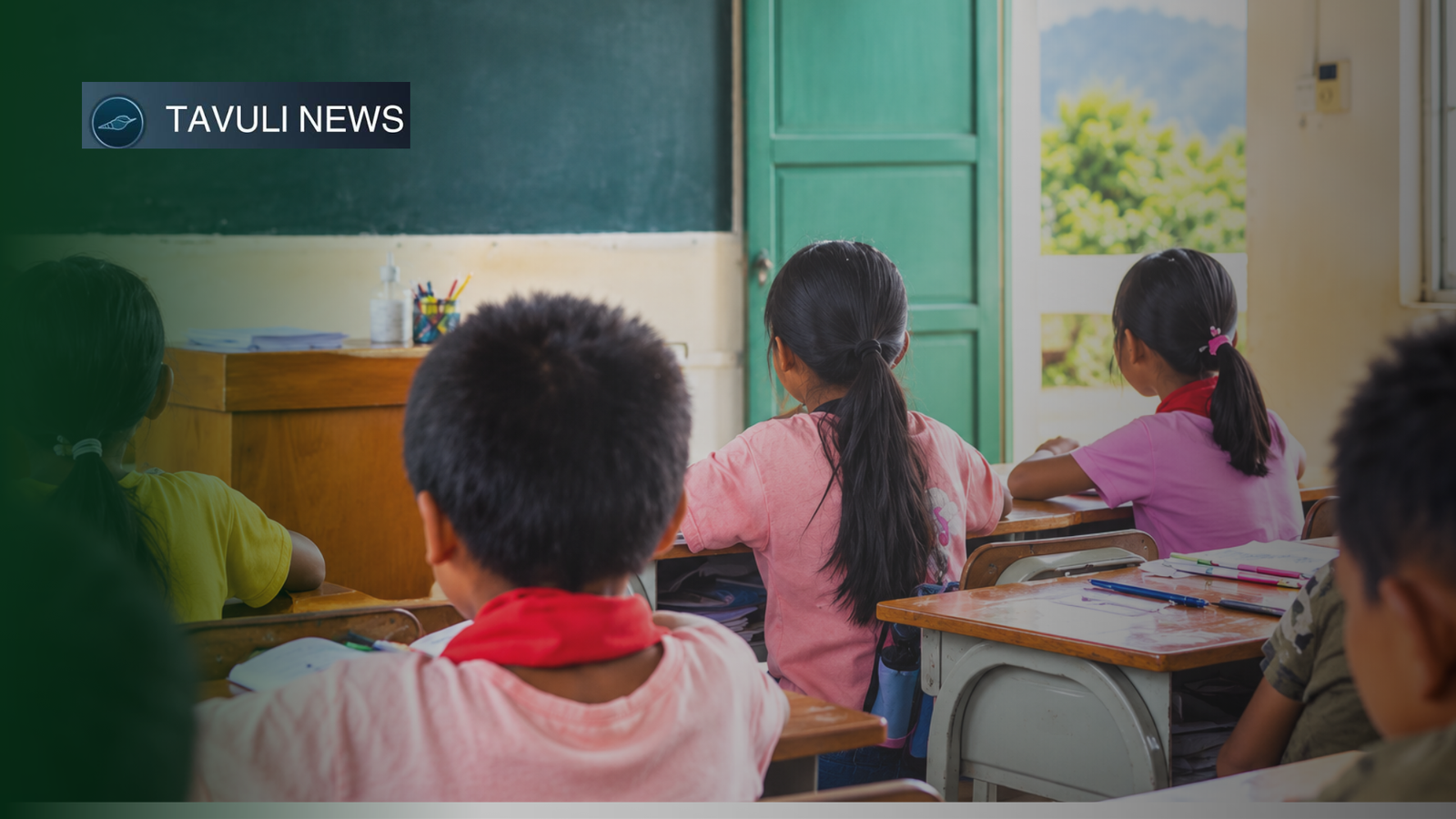
AS Solomon Islands prepares to introduce its Free Education Policy in 2027, understanding how other countries provide and sustain free education has become particularly relevant. China is one such example. The country has developed a system that guarantees nine years of compulsory education through national legislation and public funding.
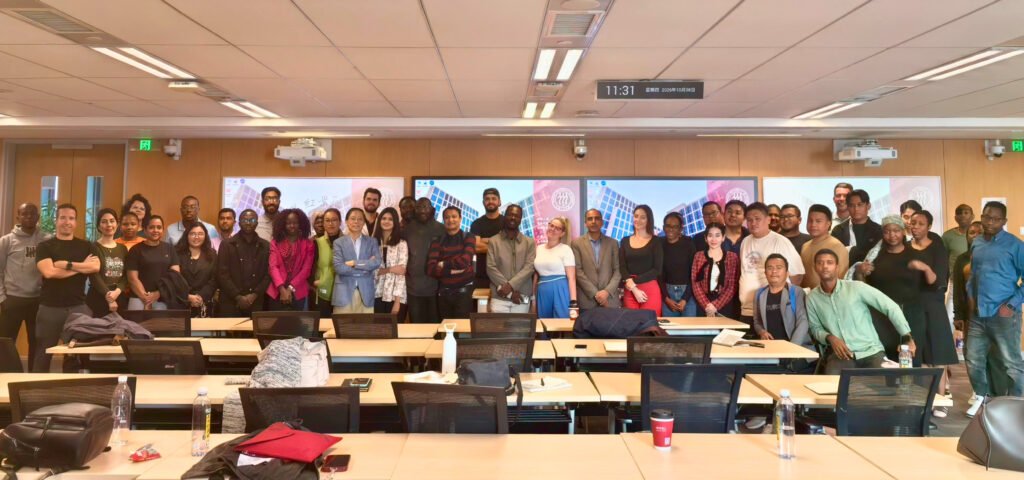
As part of the 2026 China International Press Communication Center (CIPCC) programme, I am currently based in Beijing, where I have the opportunity to learn more about China’s development policies, including its approach to education. As a Solomon Islander, I find this particularly interesting at a time when free education is becoming an important national discussion back home.
Beijing.
What caught my attention was the distinction between free education and compulsory
education. Although closely connected, the two do not necessarily mean the same thing. In China, free education removes tuition and miscellaneous school fees during the compulsory years, while compulsory education makes schooling a legal responsibility. The country’s experience provides an interesting example of how education can be organised, financed and delivered across a population of more than 1.4 billion people.
How China’s compulsory education began
China introduced its Compulsory Education Law in 1986, establishing a national framework requiring children to complete nine years of schooling. These nine years generally consist of six years of primary education and three years of junior secondary education. Children normally begin primary school at six years old, although enrolment at seven is permitted under certain circumstances.
A major revision of the law in 2006 strengthened the government’s financial responsibilities and established that compulsory education must be provided without tuition or miscellaneous school fees. Under the law, all school-age Chinese citizens have an equal right and obligation to receive compulsory education, regardless of ethnicity, gender, family financial circumstances or religious belief.
This means that education is not simply an opportunity made available by the government. It is a legal right accompanied by responsibilities for government authorities, schools, parents and guardians.
Who pays for free education?
One of the questions surrounding free education is who meets the costs when parents are no longer required to pay school fees. In China, the responsibility for financing compulsory education rests with the government. The Compulsory Education Law requires education funding to be included in public budgets, with responsibilities shared among central, provincial and local governments. Funding supports teachers’ salaries, school operations, teaching materials, infrastructure and other educational requirements. The central government also provides financial support to regions with fewer resources. This is particularly important in China, where economic conditions differ considerably between major cities and rural communities.
The government also provides assistance to disadvantaged students, including free textbooks and living subsidies for eligible students from financially disadvantaged families. However, free compulsory education does not necessarily mean every expense associated with attending school is covered for every family. The important distinction is that the government assumes responsibility for financing basic compulsory education rather than relying on tuition fees paid by parents.
Education is also a parental responsibility
Another interesting feature of China’s education system is the responsibility placed on parents and guardians. Under the law, parents must ensure their children enrol in school and complete the required years of education. Local authorities are also responsible for addressing situations where children are not attending school. This makes compulsory education different from simply offering parents the option of sending their children to school without paying fees. The government must provide education, while parents and guardians have a legal duty to ensure that their children receive it. The intention is to ensure that education reaches children rather than merely being available to those whose families can afford to send them to school.
Reaching China’s rural and ethnic minority communities
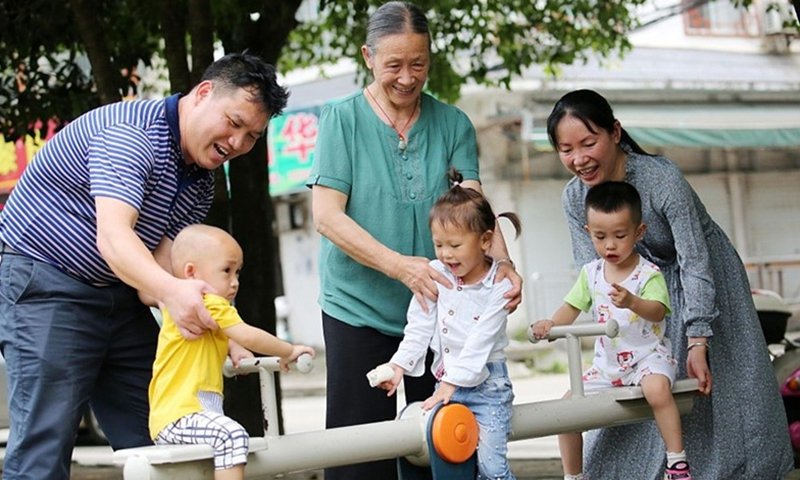
Providing education across China presents considerable geographical and cultural challenges. The country officially recognises 56 ethnic groups, including the Han majority and 55 ethnic minority groups. Many ethnic minority communities live in mountainous regions, remote border areas and locations where transportation and communication have historically presented challenges. China has developed special education arrangements to improve access in these areas, including targeted funding, student subsidies, boarding facilities and specialised educational institutions.
There are also programmes through which teachers from more developed areas assist schools in less developed regions. Language has been another important consideration, with minority-language and bilingual education arrangements forming part of the country’s educational development. However, the increasing emphasis on standard Mandarin has also raised concerns about the future of minority languages in education. Looking more closely at the experience of ethnic minority communities, including in Tibet, also shows that expanding access to education can involve more complicated questions around language, culture and identity.
In Tibet, for example, a 15-year free education policy has covered preschool, primary, junior secondary and senior secondary education. Similar arrangements have been introduced in parts of Xinjiang. These regional policies demonstrate how China’s education arrangements can differ according to local circumstances and government priorities. They also show that removing school fees is only one part of making education accessible. Transportation, boarding facilities, teachers and financial assistance can be equally important for children living far from schools.
How many children benefit?
The scale of China’s compulsory education system is considerable. According to China’s Ministry of Education, approximately 159.7 million students were enrolled in compulsory education in 2024. The country had more than 188,000 schools providing compulsory education, supported by approximately 10.74 million full-time teachers. China also reported a nine-year compulsory education consolidation rate of 95.9 percent in 2024, indicating the proportion of students remaining within and progressing through the compulsory education system. These figures provide some indication of the resources needed to maintain education across such a large population. Nevertheless, challenges remain.
Differences in teaching resources, educational opportunities and school facilities continue to exist between regions. The movement of rural families into cities also creates challenges in ensuring that children of migrant workers can access education where their families reside. China’s experience therefore illustrates that even after decades of investment, achieving equal educational opportunities remains an ongoing process.
Is education free beyond nine years?
An important distinction in China’s system is that compulsory education covers primary and junior secondary schooling. After completing nine years, students may continue into general senior secondary education or pursue vocational education and training. Students who qualify may later enter universities, colleges and other higher education institutions. However, senior secondary and university education are not universally free under the national compulsory education system.
Scholarships, subsidies and other forms of financial assistance are available to eligible students.
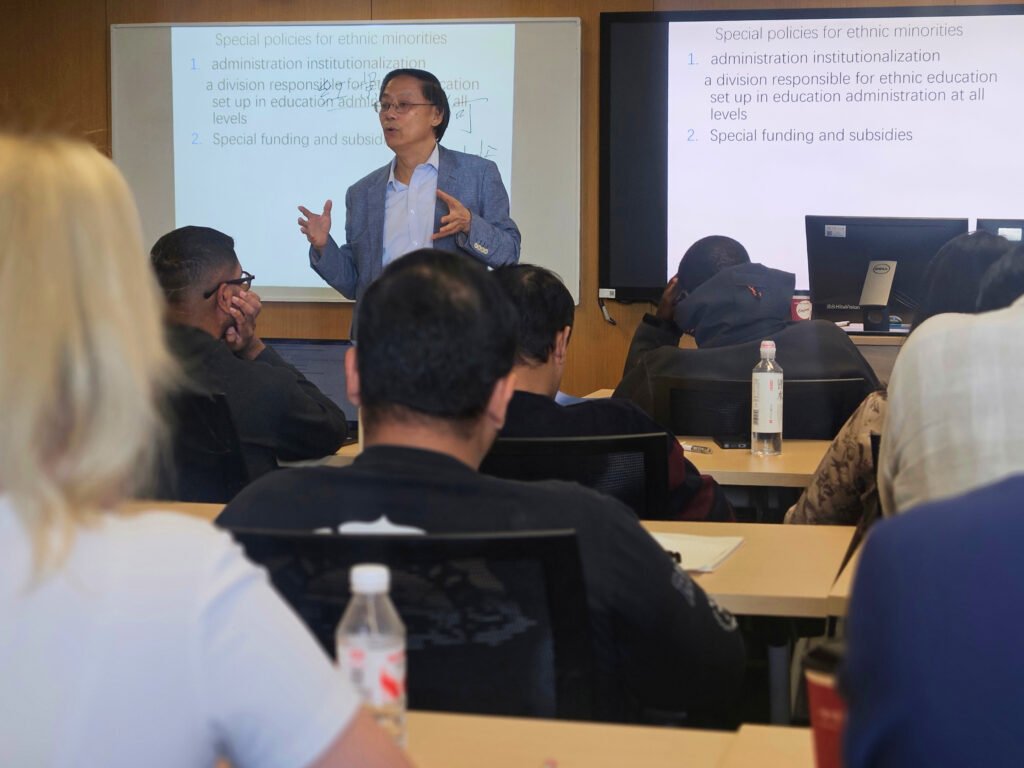
reference to Education”.
China has also begun expanding free education into preschool. In August 2025, the government announced that care and education fees would be waived for children attending the final year of public kindergarten before entering primary school, beginning with the autumn semester that year. Similar fee reductions apply to eligible children attending private kindergartens, based on the local public kindergarten fee exemption. The policy is being introduced progressively and does not yet mean that all preschool education is free. This development indicates that China’s approach to publicly funded education continues to evolve.
What does China’s experience mean for Solomon Islands?
Back home, the Solomon Islands Government is preparing to advance its Free Education Policy as part of education reforms planned for 2027. The Ministry of Education and Human Resources Development has identified free education among the major reforms to be progressed alongside the next National Education Action Plan and implementation of the Education Act 2023. Although China and Solomon Islands differ considerably in population, geography and economic resources, the experience raises questions relevant to the delivery of free education.
Who will meet the operating costs of schools? How will funding reach schools in remote communities? What measures will ensure that teachers are adequately supported? How will schools maintain education quality as access expands? For an island nation such as Solomon Islands, where communities are separated by sea and some children must travel considerable distances to attend school, the issue of accessibility is particularly important.
China’s experience shows that free education involves much more than the removal of school fees. It requires legislation, reliable public financing, trained teachers, adequate classrooms, learning materials and measures to ensure that children are not disadvantaged because of where they live. Being in China and learning about its education system has given me a broader appreciation of the responsibilities involved in providing free education. It is easy to understand the appeal of removing school fees, particularly for families who struggle to meet the cost of educating their children. But ensuring that children can enter school, remain there and receive a quality education involves much more.
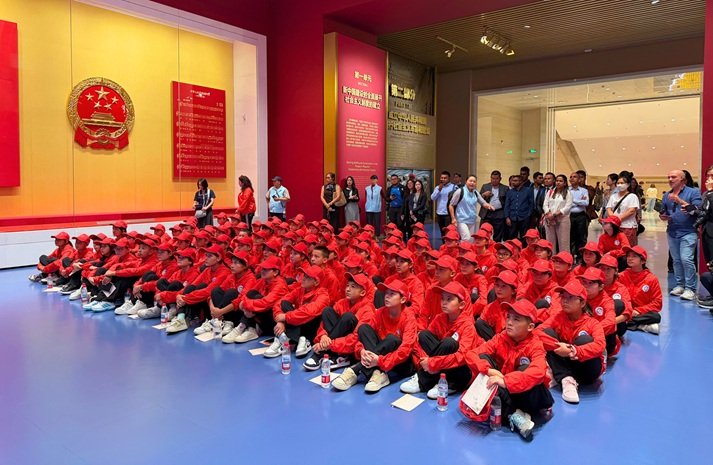
China’s compulsory education system has evolved over four decades and continues to face challenges. Its experience provides an opportunity to understand the long-term financial, administrative and social responsibilities that accompany free education. For Solomon Islands, these are useful considerations as the country develops its own approach. Ultimately, free education is not only about who pays the school fees. It is also about who carries the responsibility of ensuring that every child has the opportunity to learn.