








KG Farm receives breeding pigs as Solomon Islands launches a national program to improve pig genetics and productivity
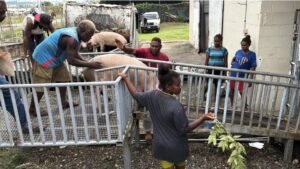
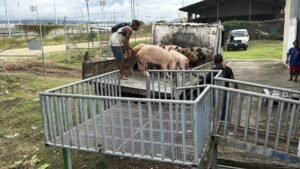
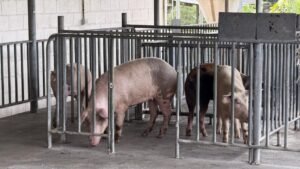
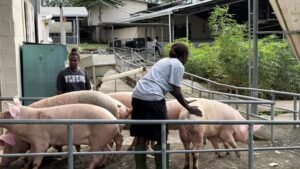
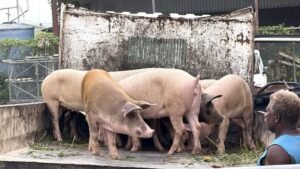
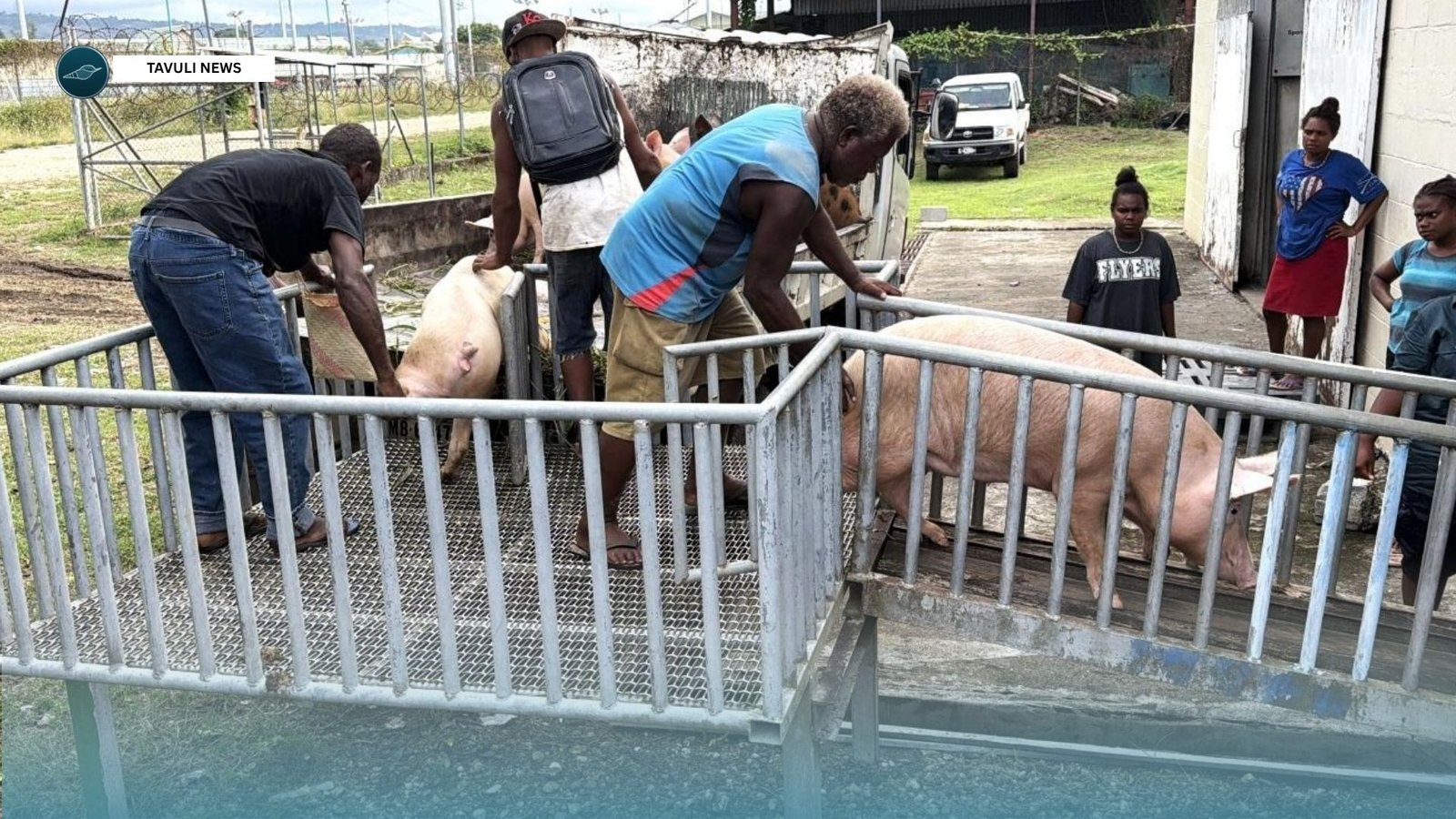
The Ministry of Agriculture and Livestock Development (MALD) has taken another important step towards strengthening the country’s pig industry with the arrival of breeding pigs at the KG VI Farm, marking the practical start of the national Pig Breed Improvement Program.
The program is being implemented by MALD with financial and technical support from the World Bank funded project Solomon Islands Agriculture and Rural Transformation (SIART), to address poor genetics and widespread inbreeding affecting pig production in Solomon Islands.
Obed Maneara MALD Director Livestock and Veterinary Department said the arrival of the pigs represents an important milestone for the Ministry’s efforts to improve livestock production and support farmers.
“The arrival of these pigs at KG Farm is an important step in building a stronger foundation for our national pig breeding program. We want to make improved genetics available to farmers so they can produce healthier, faster-growing and more productive pigs,” he said.
The program currently has 62 pigs from five private pig breeders based at KG VI Farm.
The selected gilts will be managed, fed, vaccinated and conditioned for breeding before improved pig semen is introduced from Australia.
SIART Project Manager Willima Okekini said the program is designed to gradually introduce new genetics into the local pig population while working closely with existing pig breeders.
“This program is about bringing new genetics into Solomon Islands and making sure the benefits reach local farmers. The farmers are an important part of the program because they are providing the gilts that will become the foundation for producing improved offspring,” Mr Okekini said.
Imported semen is expected to be available to inseminate gilts, with the first piglets from the artificial insemination program expected to be born in January 2027.
Under the benefit-sharing arrangement, farmers provide the gilts while MALD supports feeding, vaccination, animal health and breeding management.
Following weaning, the sow and half of the resulting piglets will be returned to the farmer.
Piglets retained by MALD will form part of the nucleus breeding herd, which will eventually supply improved breeding stock to multiplier farmers and pig producers throughout the provinces.
The program will initially develop around 30 sows, with the longer-term target of reaching approximately 80 sows.
The Pig Breed Improvement Program aims to address poor genetics and widespread inbreeding affecting pig production in Solomon Islands.
Inbreeding occurs when closely related pigs are repeatedly bred, leading to inbreeding depression and reduced health, fitness and productivity. Its effects include genetic disorders, structural abnormalities, smaller litter sizes, increased stillbirths, slower growth, poor fertility, delayed sexual maturity and reduced reproductive and maternal performance. Introducing new and improved genetics will help increase genetic diversity, reduce the effects of inbreeding and improve pig health and productivity.
The program will ultimately support higher pork production, improved farmer incomes, food security and a more sustainable national pig industry.
MALD is encouraging pig farmers to work closely with the Ministry, avoid inbreeding and adopt improved breeding practices as quality breeding stock becomes available.
The arrival of the pigs at KG Farm marks the beginning of a new phase in improving the genetics and productivity of Solomon Islands national pig herd.
Ends//
MALD Press Release