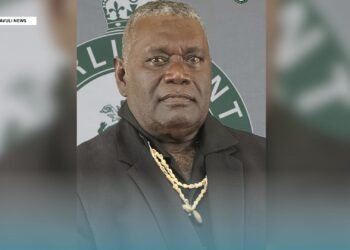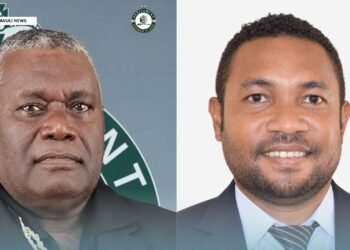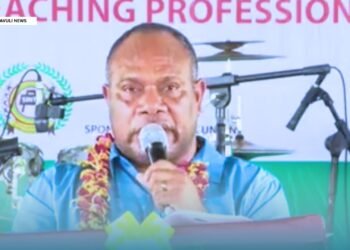








Minister Derrick Manuari opens regional geohazard meetings in Honiara, focusing on early warnings, seismic monitoring and resilience.
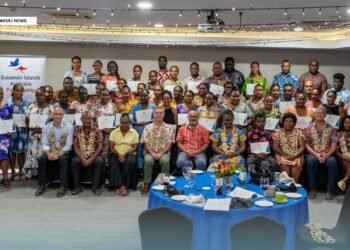
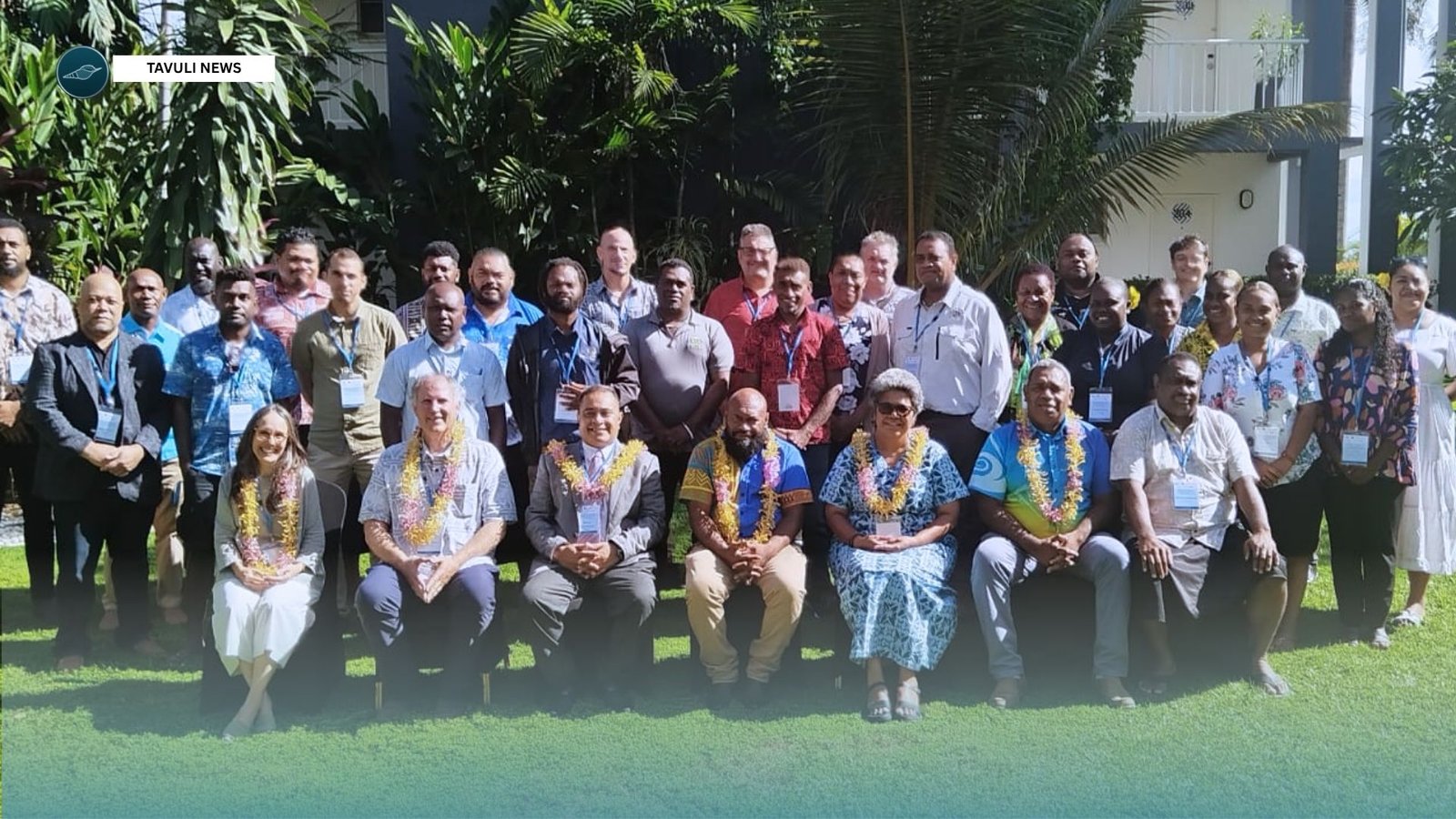
Honiara, 11 August 2026: The Minister for Mines, Energy and Rural Electrification, Derrick Rawcliffe Manuari, yesterday officially opened three major regional meetings on geohazards and early warning systems at the Heritage Park Hotel in Honiara.
The meetings are the Annual Oceania Regional Seismic Network (ORSNET) Meeting, the Third Regional Geohazards Meeting, and the 11th Meeting of the Pacific Tsunami Warning System (PTWS) Regional Working Group for Pacific Island Countries and Territories.
On behalf of the Government and people of the Solomon Islands, Minister Manuari welcomed regional and international delegates to Honiara.
He acknowledged the United States Geological Survey, the Pacific Community, UNESCO’s Intergovernmental Oceanographic Commission, SPREP, UN agencies, the European Union, and other development partners for their continued support to geohazard monitoring, early warning systems and disaster resilience in the Blue Pacific.
Speaking at the opening, Minister Manuari said Pacific Island nations sit on the Pacific Ring of Fire and face direct threats from earthquakes, volcanic eruptions, tsunamis and landslides that affect communities, infrastructure, services and national economies.
He cited recent events in Vanuatu and Tonga as reminders that investments in science, monitoring, preparedness and cooperation save lives.
“Recent events across our region remind us that investments in science, monitoring, preparedness and cooperation save lives,” Minister Manuari said.
The Minister said ORSNET has become a principal mechanism for seismic data sharing and cooperation in the Southwest Pacific, strengthening earthquake monitoring, tsunami early warning, and technical collaboration.
He stressed the need to move beyond single-hazard approaches to a coordinated multi-hazard framework.
“Earthquakes, tsunamis, volcanic activity and landslides do not occur within neat institutional boundaries, and communities can experience multiple and cascading hazards,” he said.
Minister Manuari highlighted the significance of developing and operationalising a Regional Geohazards Strategy to provide a common framework for stronger monitoring systems, capacity development, governance, partnerships and resource mobilisation.
He said the strategy will support the 2050 Strategy for the Blue Pacific Continent, the Framework for Resilient Development in the Pacific, and the global Early Warnings for All Initiative.
The Minister also acknowledged ongoing challenges faced by Pacific observatories and national institutions, including technical infrastructure, staffing, connectivity, maintenance and sustainable financing.
“Our regional arrangements will only be as strong as the national institutions that sustain them, and we must ensure that no Pacific Island country is left behind,” he said.
For Solomon Islands, Minister Manuari reaffirmed the role of the Geological Survey Division and the Government’s commitment to working with regional and international partners to advance earth sciences, hazard monitoring and disaster risk reduction.
He urged delegates to use the week to review monitoring and early warning arrangements, validate implementation priorities, identify solutions to technical and institutional challenges, and agree on a roadmap for regional cooperation from 2026 to 2030.
“Let this meeting be remembered not only for the quality of its discussions, but for the decisions, commitments and actions that follow,” Minister Manuari said.
“The work undertaken this week is about protecting lives, safeguarding livelihoods, strengthening resilience and securing a safer future for the people of the Pacific.”
Minister Manuari officially declared the three meetings open and wished delegates productive deliberations.
SOURCE//: GCU PRESS RELEASE